


- Details
- Written by: admin
- Category: FOSDEM
- Hits: 5534
FOSDEM 2009 - (Bruxelles)
Article by mmu_man - 02 February 2009 - Haiku-OS.org
Here is my own report about what happened at FOSDEM. Actually so many things went on I probably missed some.
Getting there
For this second time at FOSDEM, I tried to get a shared devroom with other projects, but there were so many requests we only had a booth. We probably wouldn't have had enough material alone for two days anyway. Besides, manning a booth itself is already quite demanding.
On Thursday I bothered the local print shop to get me some business cards to hand out, brought my own paper, cut them manually and I even didn't have enough money to pay him, but it was funny.
As last year, Rémi Grumeau, the BeOS France webmaster, kindly welcomed me at his apartment. I found out when booking train tickets that it was much cheaper to go on Thursday than Friday, so I spent the Friday in Lille, coding and walking in the town center. I also made a list of the talks I wanted to see.
Saturday
As last year, we got lost quite a bit between Lille and the ULB, and had to ask our way twice, since road signs density in Belgium is lower than that of BeOS users. We finally made it for lunch time and so did Olivier Coursière. We were soon joined by Alexandre Deckner who demoed Pulse on his dual core laptop. Niels Reedijk couldn't attend this time, hopefully next year.
Next to us we had the ReactOS project which I invited to join us for FOSDEM. Sadly it seems no one from Syllable I invited made it, but they really had their place secured. Maybe next year. The ReactOS table had many stickers, CDs, and they even brought a contribution box to put money in. That was a nice idea we could probably use as well.
We had a visit from Eric Bachard, one of the OSX porters of OpenOffice.org, whom I met at the last RMLL. He's eager to get an installable version with gcc4 to start porting.
Ithamar Adema popped up at the booth, with his associate. If you're into embedded stuff and need help, go check his start up. Hopefully he'll still find time to help start the ARM port soon.
I went to see Rob Savoye talk about his work on reverse engineering Adobe's RTMP streaming protocol in a much crowded amphitheater. It was quite funny. Rob is the author of the Gnash Flash player, he stopped by our stand last year to talk extensively about the Haiku port.
Måns Rullgård of the FFmpeg team stopped by to see Haiku. We often have trolls online about missing standard features in BeOS and porting applications to OSes versus porting OSes to applications, but he promised not to kill me.
Then I went to see talks about Java. The first one was about cross-compiling OpenJDK, for embedded ARM targets. Likely this work can be useful to ease bootstrapping the Haiku Java port. The other one was about the Caciocavallo framework, which essentially makes it much easier to write GUI backends for Java, by delegating AWT drawing back to Swing, leaving only the base canvas and top-level elements to implement natively. There is even a simpler interface that can use a dumb frame buffer and handles window managing from Swing. So one can implement native GUI support gradually by starting with a single surface with just 5 methods to write, then implement the higher level interface, and eventually the full AWT backend later on. This sounds like a good plan I think.
I heard other people tried to see me while I was away. Sorry folks, maybe next time!
We again got lost on the way back to Lille, as we didn't have a GPS or a printed map. We promised to print one as soon as arrived for the next day. Maybe we'll also think about using the train next year instead.
Sunday
On Sunday morning thanks to the map we arrived almost in time for Eric Bachard's presentation as he started a bit late too. Eric talked about how he implemented Apple Remote support in OOo Impress, detailing the OOo source code architecture. Then on another two hours Eike Rathke described debugging methods he uses on OOo on a real sample case. All this provided a first insight on the organization of the huge OpenOffice.org source tree, before launching the Haiku port for real.
Then after some not-so-dietetic meal I went back to the booth before visiting all other stands. I stopped by the XMPP (Jabber) stand to talk about the IM Kit. Another table I looked at had various embedded boards and PDAs, including a Zaurus 6000L and a tiny ARM based BeagleBoard. Other booths like OpenSolaris and Postgres were around. In the other building many GNU/Linux distributions had their tables aligned, along with Gnome and KDE ones. BSDs also had a good place. I had a chat with Rob Savoye in the stairs about how much Flash is not the Web, how much he dislikes Flash but had to come up with Gnash, and the Haiku port which gcc4 will likely get going soon. I talked a bit at the Firefox table, first in English then in French when we found out we all were from the hexagon.
At 3pm I went to see Theodore Ts'o talk about the new features in ext4, the biggest being extents, which BFS has been using for a decade as block_runs, and XFS as well on Linux. But it's always nice to see the main Linux file system catch up on that. Of course ext4 has many more feature BFS doesn't have, but this one was much needed to handle big media files, and with the new block allocator it turns out most files actually stay within 3 extents. After the talk a small group gathered around him outside the room to talk about various file system problems. Like the so-called "dot file" issue, which forces file system designers to counter bad behavior of applications regarding semantics on fsync() and ordering of writes to the file systems, which in case of a system crash ends up corrupting lots of those small files Gnome and KDE applications put in their respective dot directories
Then it went on power saving modes and fsync() abuse. Some others mentioned the lack of common method of determining the geometry of RAID arrays from the file system to optimize allocations. Then I wanted to ask him if he did any work on extended attributes in ext4 but barely had time to scratch the surface as he had to go for an interview. I'll probably mail him later I suppose.
Then I went back to the booth where it was almost time to pack up, which we did. We moved the tables back to storage, and went on to see the closing conference about how Google manages the Summer of Code and what's up for this year. Then I went back to Lille with Rémi almost without bad routing.
On Monday the sliding handle of my luggage that already got broken at BeGeistert completely fell apart when walking towards the station. I managed to put it back in and use the other handle and still made it in time. Luckily the return ticket was cheaper as first class so I had a power socket for the laptop to write this on board.
Conclusion
This edition of FOSDEM was really interesting, I managed to see more than one conference this time yet still not all I planned, again chat with many people on interesting topics, yet see a lot of people at our booth, despite it being located on a less crowded building. Actually it made it easier to discuss things than last year as the corridor in the main building is always full of geeks.
I believe the projects and people I saw at talks might really prove useful to speed up porting must-haves to Haiku, like Java and OpenOffice.org. I swapped cards with most of them, so we'll stay in contact.
Also, next year is the 10th anniversary for FOSDEM, and we'll likely have an R1/alpha with all the goodies (Firefox3, OOo, Webkit, Java, Gnash
) and the baddies (Java, Gnash
:-D) to show, so it promises to be even bigger.
- Details
- Written by: admin
- Category: FOSDEM
- Hits: 6036
FOSDEM 2008 - 23 and 24 February (Bruxelles)
Article by mmu_man - 25 February 2008 - Haiku-OS.org
Hi there from our FOSDEM booth in the corridor!
After taking the train to Paris on friday, where I joined Marc Schneider, developer of OpenAguila, a french free software ERP which we shared a booth with, we went by car to Lille, where Rémi Grumeau, the BeOSFrance webmaster, kindly offered us a couch for the week end.
On saturday we tried our best on belgian roads, but lost ourselves several times looking for scarce signs, though we finally managed to arrive half an hour later than expected. The place was already considerably crowded, with quite a lot of bearded geeks carrying laptops. We looked for our booth which was located in the middle part of a long corridor, where Niels welcomed us as he arrived first. We settled down to organize the place with laptops running Haiku to show everyone, Niels went to find a copy shop as we only managed to print a few flyers with Rémi's ink-starving printer. Olivier Coursière, of the BePascal fame, poped up at our booth and helped us advocate the Haiku way. Some people came asking about Haiku, and soon it was time to lunch. A van was selling belgian hamburger and fries (lot of sauce, in a big paper cone), another place was selling sandwitches (not as geeky).
In the afternoon many people passed by asking about Haiku, if it was a Linux distro or not *grin*, how it was different, if there was a demo CD available; some of them remembered using BeOS and noticed the similar look... other people asking about OpenAguila also. We also met the Gnash maintainer who was excited to see Haiku as he knew about the Gnash port; we didn't have a binary to demo him but he promised to download an image to try himself :)
I didn't managed to see any conferences I planned to attend as we had many people, and Niels and I also wanted to do some coding. He managed to get the legacy gcc built and installed to the image from jam. After some debugging and working around a yet-to-be-fixed bug in get_team_info() I finally got the IM Kit running on Haiku, and even exchanged civilities with Rémi by GTalk. I showed Haiku and the IM Kit to a member of the XMPP/Jabber booth next to us on sunday, he was quite interested in the way it worked. I also fixed a bug in my usb_webcam addon, but couldn't test it as ohci isn't working yet... I'll try that at home real soon now.
We all went looking for dinner in the streets around and settled for a Thai restaurant.
Then Niels left and we went back to Rémi's flat in Lille, after trying for 10 minutes to escape the belgian car park, quite exhausted by all the action, but willing to do even more on sunday.
On sunday we managed to still get lost once due to overconfidence, but arrived in time for Marc to attend the conference he wanted to see. Still a lot of people passed by asking, including a Mozilla developper who got a tour of the benefits of OpenBFS extended attributes, including bookmark files and seemed quite interested. Many people took flyers and in the afternoon we didn't have many left, until there was only two. Many also asked again for a demo CD, but promised to download the image and try it.
After lunch I looked around at the other booths I didn't all yet see. I stopped at the OpenSolaris booth, talked about the similarities and differences of ZFS and BFS. The ubuntu booth next to us, and others as well, had several OLPCs on demo, those white and green toy-like machines are quite funny. Then I stopped at the GNUstep table where a flyer said they were using "simple and intuitive makefiles" which I'm sure many of you would think is a non-sense, but indeed they use a makefile template system quite similar with Be's where you just fill in the names of the source files and call the makefile engine to do the job. There was also free whipping from the BSD Girl at their booth, for those into it, but I only took a CD to test it =)
I was able to attend one conference (yay), quite interesting one as it was about the new radeon driver for Linux, which the new design seems to leave room for an easier port with some abstraction layers, giving a good opportunity for a Haiku version one day. I asked how much portable it was, and though the audience found the question funny (they should learn Linux is not the only one in town), the answer was quite positive. I'll try to stay in touch with the project to keep them aware of the needs for an Haiku port as the architecture is not definitive yet.
Still a lot of people stopped by, one who finally found our booth after asking on IRC from a room we were just in front of (there were also many people sitting on the other side of the hallway with their laptops, and many more outside on the grass despite the grey weather).
We packed up as the building was being cleaned up, Niels left in his blue van, and we went back to Lille, where Marc dropped us before going back home. I spent one more night in Rémi's flat (Police Academy 1 and 2 on tv...) until my train left at 6 am. It's now 9:25 as I finish writing, in an hour the train stops home.
All in all it was a very intense experience, lots of different people and projects to see, and we'll surely make it next year, maybe with a conference (any volunteer ?).
- Details
- Written by: admin
- Category: Begeistert
- Hits: 7323
BeGeistert 028 impressions - "Full Metal Package" - October 25 to 26 2014 Düsseldorf (Germany)
Article by Humdinger - 28. October 2014 - Haiku OS
After a nice short walk through the light drizzle of the slowly condensing mist that completely shrouded the top of Düsseldorf's landmark Rhine Tower, I arrived pretty early at the Youth Hostel. Entering our conference room I was greeted by its single occupant: Matthias, who I haven't seen at a BeGeistert for some years. We were chatting while I was setting up my gear and one by one more people entered our conference room. Most of them coming from breakfast; they already arrived the day before. I was glad to see most of the regular core developers did manage to come to BeGeistert after all!
While setting up my notebook and mouse was naturally done quite quickly, I wondered about the madman, that provided a scene I haven't seen since BeGeisterts form over ten years ago: Someone brought a bloody desktop tower with not one, but two LCD!
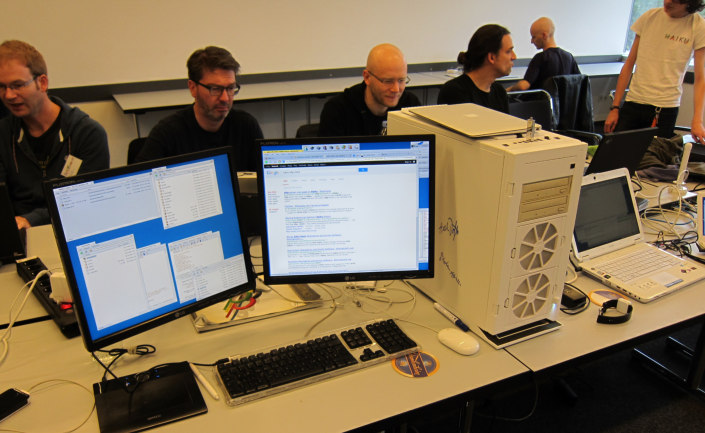
Turns out, the maniac was Colin Günther. Another one I haven't seen at BeGeistert for some time. In his deranged mind it all made sense of course: He's working on DVB-T and has some PCI cards to work with. One more of those was donated by Mark Erben who had one in storage since the BeOS days. So, maybe not so deranged after all...
In any case, I've seen Colin's progress first hand, when he demonstrated Haiku's TV app showing a DVB-T stream. The aspect ration wasn't correct yet, but he's working on it.
Colin will join our Haiku friends Jessica, Christof, Clemens and Andrew early next year when he and his family emigrate to New Zealand! Time for a "BeGeistert NZ", don't you think?
Everyone was asked to put their signature on the desktop cover (I promptly bungled mine a bit), either as a souvenir or to auction off... not sure what Colin has decided.
There were a few new faces this BeGeistert as well. I may have met Eddy Groen before, he was very active in BeOS' days, but I couldn't remember him if I had. Anyway, he seems to be back in the saddle again, and it was a pleasure to meet him and his wife Sofie. And while we were geeking out in the evening, he took her to see the Shrek musical. Reportedly, they had "groen" fun!
Another long time Haiku user finally made it: Zoltan Mizsei, didn't come all the way from Hungary, as he's currently working in Germany, if I remember correctly. Very nice meeting him. He was one of my roomies in the Youth Hostel, together with Puck and his father Erik. And I feel, now that I'm safe at home, I should apologize for my potential snoring (I can't hear it, naturally, but I've had complains in the past...). Puck and Zoltan both looked quite well-rested on Sunday, even though both turned in well after me. So... hmm... on the other hand both were very polite, they may hate my guts secretly... better not dwell on it.
So, the morning passed quickly and it was time for our talks.
1st talk: Webkit
Adrien Destugues was first, and gave an overview of his recently completed first year of almost-fulltime work, paid by donations through Haiku Inc. As he focused mostly on porting and maintaining WebKit, he started by presenting the history of the Haiku port of it. The beginnings in 2007 by Ryan Leavengood, the work of Maxime Simon for GSoC 2009, improvements by Stephan Aßmus and Alexandre Deckner, and his own efforts with it since then.
It followed an overview of the components of the WebKit port, the improvements of WebKit2 and the advantages and disadvantages of not going with a port of Firefox or Chromium. One advantage of doing the massive work of the WebKit port stuck out for me, and becomes apparent when following the commit log over the past years: The WebKit is touching many aspects of the whole operating system. Pretty much every API kit has benefitted from bugfixes and new features, from network to services and support to media and the app_server.
Adrien uploaded his slides and the video recording is also online.
2nd talk: HaikuDepot
Next up was Stephan Aßmus, who lately became the main driving force of "HaikuDepot", the Haiku GUI application that interfaces with the backend Haiku Depot Server that is the work of Andrew Lindesay (check out the haiku-depot-web mailing list to keep track of developments there).
Stephan starts off by thinking about how the Haiku Depot Server infrastructure and the involvement of users to test and rate application could be leveraged not only to provide a nice user experience for everyone to easily search and install software, but to help filling that depot with high quality packages. Through user ratings, packages (and their dependencies) could migrate from a "bleeding edge" into the "stable" depot.
Next, Stephan showed off the interface of the Haiku Depot Server and its possibilities for users to upload icons and screenshots and localizing package descriptions etc. Then he switched over to the HaikuDepot application, created an account for a new user and submitted a rating that promptly appeared on the server.
It all works already pretty nicely! Now it depends on the Haiku user community to fill it with life. There'll be an official announcement when everything's ready and people can get cracking. Keep an eye on the front page!
Stephan didn't use slides, but there's a video recording of his talk.
Next was lunch in form of spaghetti with either tomato, cheese or bolognese sauce. Let's say the salad and pudding came to the rescue...
The afternoon was filled with the usual BeGeistert activities: the core devs exchanging occult incantations and spells, people showing off their latest projects, fighting their touchscreen in the case of Puck, or starting to work on the video footage from the two earlier talks in case of me.
By the way, to improve sound quality, I decorated all speakers with my cell phone on a leash and recorded the audio separately. Big improvement, though it adds complexity when having to sync with the video. I do the arranging in Clockwerk, but have to boot into Linux to grab the video from the camera and process the audio tracks in Audacity...
For dinner we decided not to tempt the weather by crossing the Rhine and marching for 45 minutes to Old Town. Instead we all went to a nearer restaurant in the building of an old train station. The food was good, the Alt beer tasty...
Back in the BeGeistert den, the above mentioned BG activities continued. I peppered Adrien with questions regarding secondary architectures in haikuporter recipes and Charlie tried to explain to me his python script to create the BeGeistert name badges. The thing I remember most of it is that python is weird... :)
Anyway, like everyone else at BeGeistert, I used the chance to speak to the experts directly. Much easier than over IRC or email...
The Sunday was more of the same, only that this time I didn't have to get up at 5 am to catch a plane...
3rd talk: ARM
Before lunch we had a final talk: Ithamar Adema showed the current status of the ARM port and the difficulties to get there and to go farther. While it was an interesting talk, it's not easy to summarize it here. Get Ithamar's ARM slides and watch the video footage that became an audio footage after 20 minutes when the battery of my camera silently died. That idea of a secondary audio recording via cell phone wasn't a bad one...
From what I understood, ARM SoCs are quite different from the usual PC desktop environment. Lots of different implementations and hardware combinations that only very slowly seem to consolidate into more standardized architecture. One problem seems to be that the peripheral hardware isn't easily probed via a bus, so the OS needs to know what hardware it is dealing with on the particular SoC. This is done via a so-called "flattened device tree", which is one area Ithamar planned to work on in the code sprinting week.
In his closing demonstration in QEMU, we watched the Haiku bootloader lighting up a few icons and then... the kernel visiting its debugging land. As unexciting as it sounds to the layman, it's already quite some achievement, having the kernel come as far and being able to debug things. By the end of the day, Ithamar got all the icons to light up, by the way. So... progress! :)
Then lunch, and shortly after, our group began shrinking as one by one had to leave.
A new HSA e.V. board
We did have one more important topic on the agenda: the future of BeGeistert.
Over the years the board of the Haiku Support Association (HSA) that is organizing the event, slowly shrank until Charlie Clark was the last man standing. And he's been wobbling for a few years now. So, the first order of the day was to elect new members to the board, so BeGeistert can continue.
Ithamar was to be the election supervisor calling the vote. All votes were unanimous: Charlie stays 1. chairmen, Eddie Groen becomes 2. chairman and Matthias Spreiter is our new treasurer. Congrats to all!
So, technically, BeGeistert can continue. There is, however, still the continuous struggle to finance the event. With only roughly 20 attending BeGeistert we currently rely on Haiku Inc. to step in. While we're very grateful for that, it's not a situation we're hugely fond of. What if Haiku Inc. can't or won't donate the needed funds? And anyway, we'd prefer Haiku Inc. to funnel that money into development contracts.
Long story short, if you see the benefits of BeGeistert and the Code Sprint, you may want to consider becoming a HSA member for only 3 EUR/month. Or, even better, try to come yourself next time.
While we're on receiving support, here's a big thank you to Andrew Hudson, who made a generous donation that we're using to pay for all drinks of the code sprinters. What's left will be added to the funds for next year's BeGeistert. Thanks a bunch, Andrew!
Adrien will write up a report of the Code Sprint once they've crossed the finishing line. The number of sprinters increased slightly, by the way: Jonathan Schleifer was able to eek out 2 days of vacation from his new job (well done, mate!), and joins Adrien, Ithamar, Ingo, Colin and Oliver.
The sprinters in Düsseldorf are joined by virtual BeGeistert Code Sprinters (vBGCS) Rene Gollent and, by taking off early from work when possible, Michael Lotz. Michael already committed a nice fix for a bug I ran into a few times and Rene is still busy improving the Debugger. And the other Devs that had to leave on the weekend seem to keep it up as well.
Everyone, feel free to join in the fray!
Maybe some of the BeGeistert attendees would like to write about what they were doing that weekend or what I have missed in a little comment below? Add links to photos, if you can...
Resources of the talks
- Adrien's talk on WebKit: slides and video
- Stephan's talk on HaikuDepot: video
- Ithamar's talk on ARM: slides and video
- Details
- Written by: admin
- Category: Begeistert
- Hits: 6698
BeGeistert 021 Report - October 17 to 18, 2009 Düsseldorf (Germany)
Article by DaaT - 26 October 2009 - IsComputerOn
First of all, sorry for taking so long to post this. Been a busy week but I must admit to lazyness as well. Guilty as charged. As usual, BeGeistert was great and I'm not saying that just for the sheep, honest. Click below for a (not that detailed) report.

This time I didn't go alone, my girlfriend went with me, for a geek-filled weekend... there were 3 couples at BG actually, a record I believe :)
BeGeistert for us started on Friday and didn't start that well. We arrived without a problem at the Dusseldorf airport, problem is, our luggage didn't. Second problem, it was quite cold, around 7C and my warm, nice jacket? In the luggage... So after we arrived at the Hostel, Charlie kindly lent me his jacket and we went shopping for some essentials, jacket included. At night there were around 17 of us there already so we went for dinner at this very nice restaurant, not far from the hostel. Everyone had a good time and the food was delicious, what more can you ask for? During the dinner our luggage was delivered to the hostel, so all's well that ends well. By the way, Jonas from Sweden also had his luggage lost during his trip to Dusseldorf, sheeesh...
Saturday started with the "Auckland Presentation" (which I didn't attend from the start, regretfully), named as such because it was done remotely from New Zealand. The presentation was done by Christof Lutteroth and the subject was ALM, the Auckland Layout Model. The bit I did see was about HaikuHelp, a way to automatically generate help information by "analyzing input messages and state changes in a GUI". It was very interesting and it could be a nice addition to Haiku.
After lunch the French group (which arrived around 6am after driving all night) took over and we had presentations by Maxime Simon on his Google Summer of Code project, the webkit port, and Adrien Destugues gave a presentation on his GSoC project, the locale kit. Maxime didn't have any slides, so his presentation was more of a Q&A session about his and Ryan's work. They're making progress but the webkit project moves so fast they wouldn't mind help from coders wanting to dip in.
Adrien's project is progressing quite well and is now integrated into the Haiku source (happened sometime after the Alpha release). According to Adrien some of the work still needed is, among others, to convert apps to use the locale kit and also a font overlay for japanese characters for example.
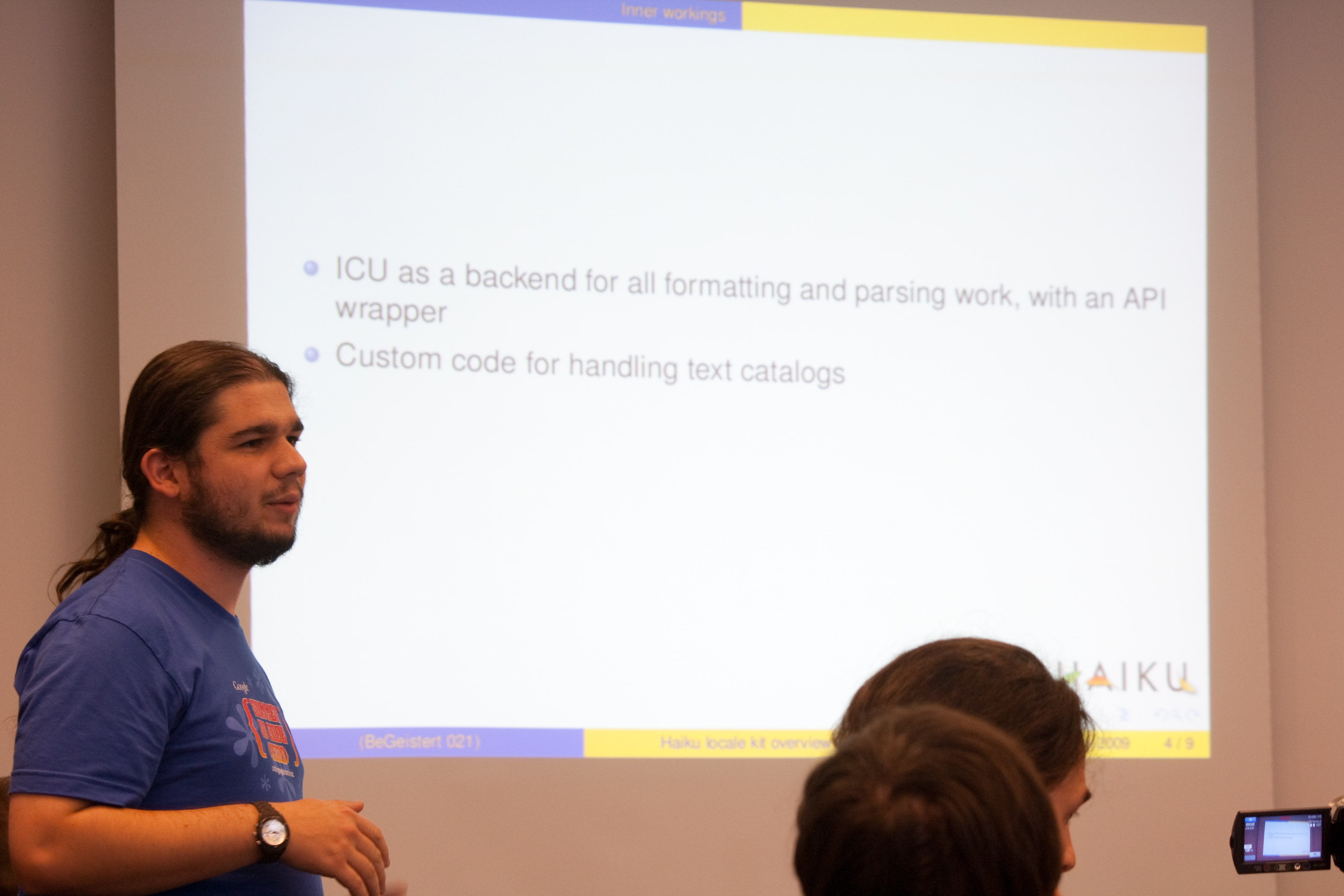
After the presentations some of the devs (with a little coaxing from Charlie) got up and the last 6 months of Haiku were discussed. The Summer coding spring at Axel's and of course the Alpha release were the highlights. It was then time for a little celebration, to celebrate Haiku, the Alpha release and all of the devs working on the project. It was a very nice moment of which we posted a photo during that same night as I'm sure you recall.
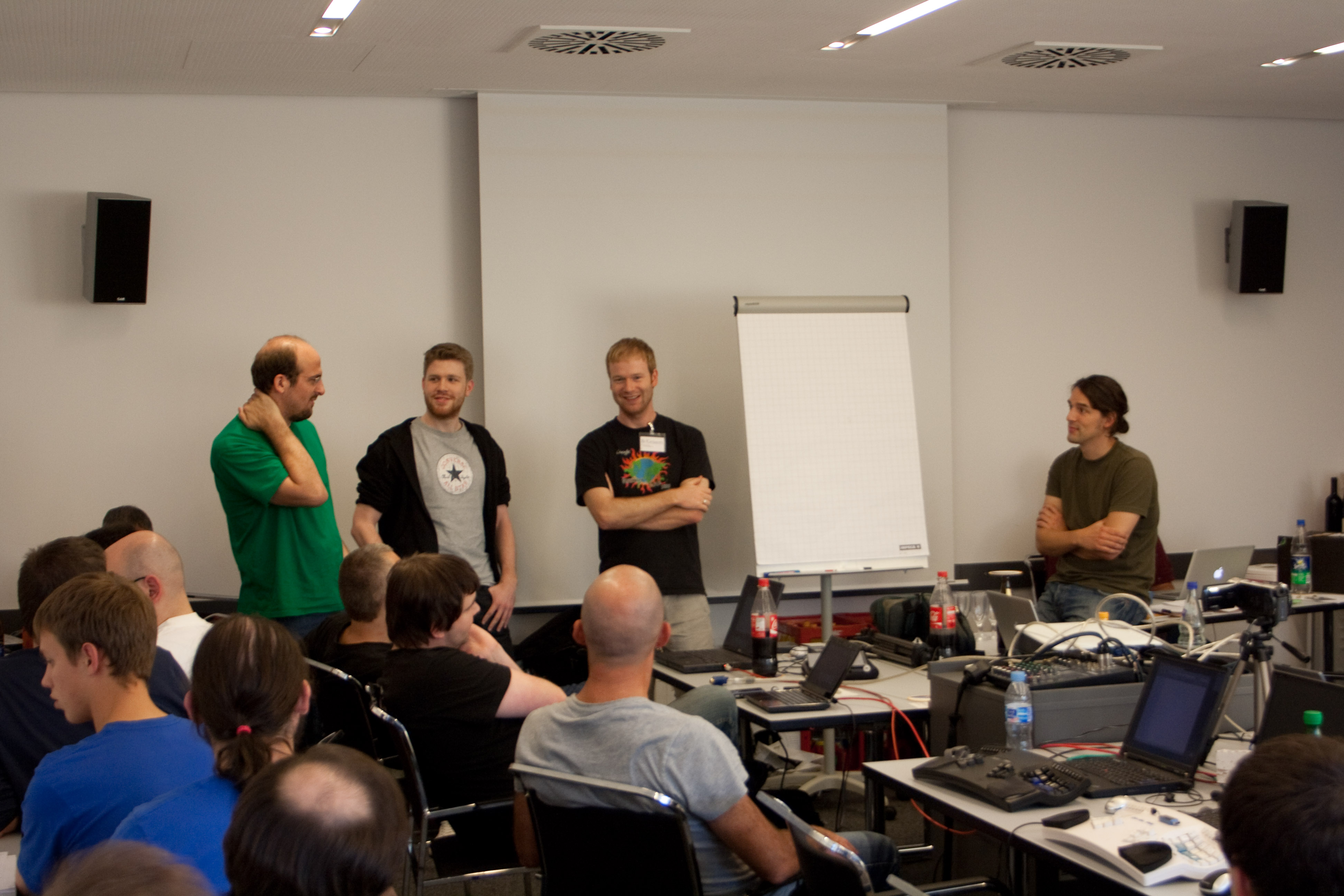
Saturday night there was a big group dinner which... we missed. Charlie and the gang (could be a band name) left and left the two of us plus Rene Gollent and his girlfriend back at the hostel. The four of us ended up at an Italian restaurant with HUGE coke glasses (their grosse cola really was grosse) and delicious pizza, along with nice live music, jazz. On the way back to the hostel we took a taxi and it was a fun ride since the driver, a turkish guy, spoke portuguese!
Sunday rolled around and in the morning there was a presentation done by Nicholas Blachford (over who's Canon I drooled on Friday, it's a 5D MKII) on Haiku Distro Guidelines. This brought on an interesting debate on the subject with many sharing their point of view.
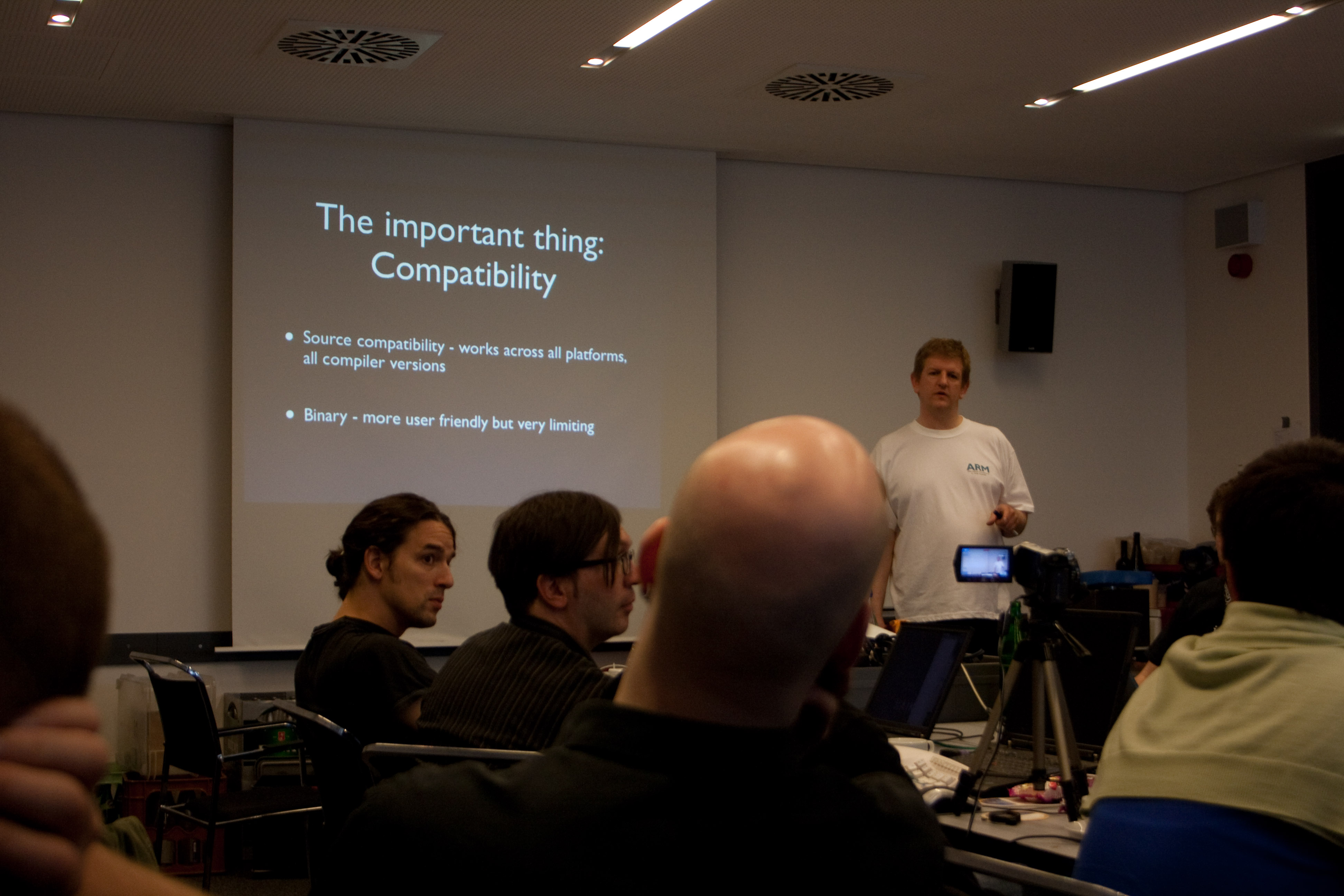

In the afternoon it was time for Colin Gunther's presentation on bringing WLAN to Haiku. It turns out there are more drivers than the Atheros one that Colin's working on, including the Intel 2200BG (the one I have, yay). In the next 6 months or so he intends on porting over from BSD more drivers, an enhanced ifconfig and have repository integration. Before R1 is out a GUI for WLAN will need to be done as well. In the next 12 months Colin is aiming at encryption and ad-hoc support. (Sunday morning I had a nice chat with Colin and am anxiously waiting for an e-mail with a certain driver to test)
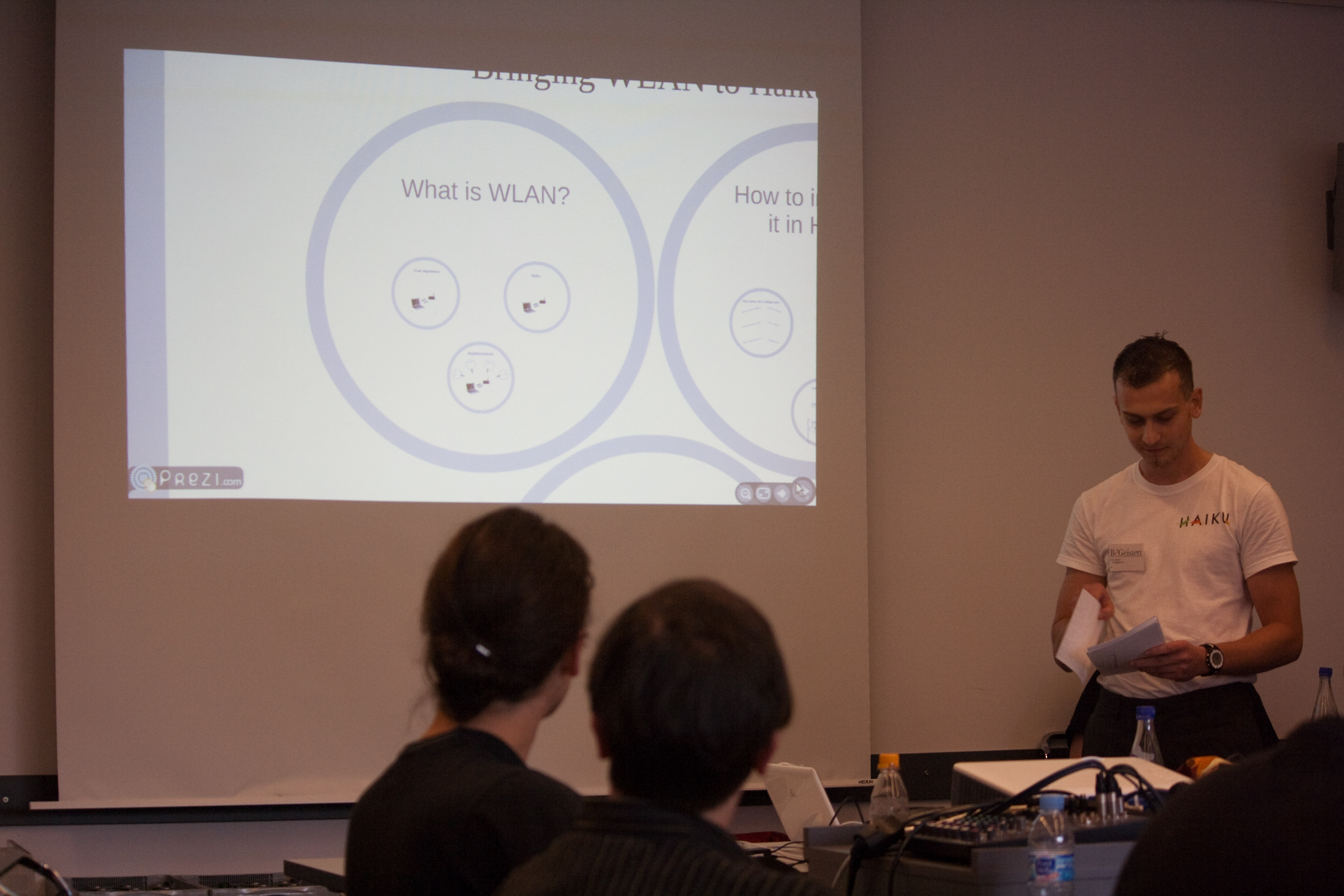

Sunday afteroon was also time for a "class" on coding for Haiku which was held in another room (smaller one, next to the main room) held by Stephan and Jan. Though Stephan tried to lure me in (sorry Stephan :)) I didn't attend, coding isn't for me. But from what we heard it was definitely interesting. In fact, Charlie had the idea to, beginning with next BeGeistert, have an extra Tutorial Day.
I should say that the room was packed! A lot of people attending BeGeistert including all presentations, except Colin's since several people had to leave for home after lunch. Also noteworthy was Rudolf Cornelissen's presence back at BG. It was great to see him again after several years and we had a very nice chat.
All too soon Sunday was over, after another group dinner at yet another Italian restaurant (following a brief passage at a brewery) and it was time to hit the sack, Monday morning we had to get up at 5am for our plane, but there were several people still up, talking and coding, coding and talking, including the devs staying for the coding sprint.
As always BeGeistert was great fun and this time it was special due to the recent Alpha release. You could sense the excitement in the air and the fact that it was crowded didn't hurt either. Even if I won't be able to go, the next BeGeistert can't come soon enough. And mark your calendars, BeGeistert 022 "Return of the Cola Coder" (talk about pressure) will be held over the April 10th-11th weekend and... a tutorial day will be premiered on Monday the 12th! Start boooking your flights.
I can't end this report without one very special mention to Charlie. He's not the only one involved in organizing and hosting BeGeistert of course but he's the "face" of it. His diligency and attention to everyone and everything make BeGeistert for us attending, a pleasure. Charlie, you should have had a glass as well on Saturday :) And the invitation we made still stands of course. Till next time.
Obligatory BeGeistert Report - October 17 to 18, 2009 Düsseldorf (Germany)
Article by mmu_man - 27 October 2009 - Haiku-OS.org
I'm in the TGV back to Valence on wednesday, which luckily has many power plugs, unlike the Thalys which has wifi but no plug for those battery-drained guys like me. It's 21:30 as I start writing this. Will take some more days to finish though...
Not there yet
But first things first, after attending a meeting on Friday in Grenoble, I headed back to Valence to leave some stuff there, then back to the train station, where my train got delayed by an hour or so. But the other frenchies I was to share a car with were also a bit late, so they didn't have to wait for me too much. We then took the road to Düsseldorf and started to talk about each others work, and GSoC since we had two of the students on board.
On a night like this...
After a long digression about the evilness of Flash™ and non-websites, we talked about the state of the localization project, its integration into all applications and the need to pair it with the layout API, and the progress of the Webkit port. Interestingly, Webkit itself has a plugin-based framework for image loading, quite like our Translation Kit, but possibly even more powerful, so there were concerns about either bypassing it to the Translation Kit, or making a Translation Kit plugin as fall-back, or just leave it alone. Probably we can take ideas out of it to improve our Translation Kit. Then the two at the back of the car snooze a bit (guess where I was), while the drivers hopefully didn't.
When we arrived at 6 am, we registered at the office and got some keys, but when we entered the room we disturbed some asleep girls, so we quietly backed up and gave the keys back. We tried other keys but also found long blond hair in the beds, so we decided to just have a sit until the sunrise. We talked about FTTH and geopolitical topics for a change.
Saturday
We enjoyed a nice german breakfast and headed for the room. Most of the attendees arrived during the morning, and by noon all the seats of the room were taken. René (aka Deadyak) couldn't bring his BeBox this time, but he brought himself which was really nice cause I didn't see him in a while. So did some others who were enticed by the alpha release into getting back on the BeGeistert experience, like Jonas, or Daniel (DaaT) who likely missed watching the sheeps from the river shore! Frenchies were quite present, and Italians as well.
I took my antique IBM model M keyboard out of the bag and aligned it with all the Kinesis ones on the tables, which made for an interesting comparison.
The French team started to look at an issue with the marvell_yukon driver which only worked for a few hundred kB before halting transfers. We tried to eliminate possible IRQ sharing bugs from other drivers, but the problems was still present without other drivers hooked up.
Santa Claus was here in disguise, and handed me a nice black and green box, containing a Neo FreeRunner as another incentive to the ARM port... He also had a new card for Rudolf to play with. Quite early he was this year ;-)
Then I took upon myself to fix the ARM and 68k builds, after Axel's breakage two days before. Others continued to commit fixes and other cleanups.
Despite being on the other side of earth, Christof Lutteroth managed to do a remote presentation of the Auckland Layout Model. I must admit I got lost near the end due to lack of sleep, but luckily the PDF of the presentation is available, and even some sample code.
Maxime detailed his GSoC work on the Webkit port and asked for more hands, and Adrien talked about what he did on the Locale Kit as part of GSoC which is already in svn. Both wore the blue t-shirt for this year's edition, while I left mine for Sunday and instead had the white shirt from the Haikuware Thank You Award. I didn't talk about the ARM port, as I didn't have much more to show than what was already published, but likely next time I'll have more for your eyes.
Then Charlie required an update on the work done since the last BeGeistert, which of course included the alpha release, for which I brought a bottle of Clairette de Die to celebrate, so we opened it and filled some glasses, not everyone had one, but at least it made a nice picture.
Since I also brought a cold with me (it's starting to be a tradition, really), and I wanted to get some work done, I went downstairs with Marcus and ordered a pizza at the bar, which wasn't too bad. Most others went out for dinner. We pondered about watching a movie but as always work took over.
Sunday
Nicholas had an extensive talk about the so-called "distro guidelines" which not everyone agreed on the definition and targets. Maybe the word "distro" should be avoided, as it actually implies we'd favor distros, while it's not the will of most developers.
Then Colin used rather unusual support for his talk on the wifi stack, which despite a dubious choice for implementation (Flash...) is an interesting concept. As he explained, he has ported wifi stack from BSD, but has to design an object oriented one as part of his master thesis, so it's not the definitive one yet. The current focus for development was to get more drivers integrated.
Stephan and Jan gave a C++ introduction tutorial, I didn't attend but it seems to have been very much appreciated as the proposed tutorial day for next edition is already fully booked. Meanwhile there were some more build breakage to fix.
We moved to a smaller room after everyone else left. Alexandre arrived just in time for the distro talk, which lasted several hours, some of us swapping in and out to do other stuff, and kinda reflected the profusion of thoughs that appeared on the mailing list. We wrote down the list of features we wanted from a package manager, to get the ball rolling.
Meanwhile I fixed the BeOS port of XEmacs with the current source tree from mercurial, and managed to build and run it from Haiku, which was a first since the BeOS binary doesn't run due to the brain dead "unexec/dump" thing of the build process, which involves starting a first binary to load a bunch of lisp files, and dump the resulting process to a cache file to speed up normal runs, which of course hardcodes pointers to stuff, which on Haiku ends up pointing into kernel space since the kernel/user split was reversed back from BeOS R5. It still has some issues, which are not present on ZETA, so likely shows bugs in the Haiku App and Interface Kits.
Monday
On Monday I started running svn cleanup on my laptop, because after deciding to svn switch my BFS-hosted source tree to the new server, and trying it from the recently installed Haiku R1/alpha, I spent 4 hours waiting for it do finish silently converting the working copy to the new format which of course isn't readable from ZETA anymore, and then an svn up crashed in the middle. So I spent some more hours running this to remove all locks in the local copy. Then I tried to svn up again, which crashes again. It seems the recent svn:keyword issues had put my local copy in a really strange state...
Oliver eventually put an end to the svn:keywords issue on the repository.
I continued my svn up loops, but also started checking out some stuff to port, like the pciutils (Linux' lspci) which isn't very useful to most of us since we have listdev but can still help driver writers by providing more informations. I extracted a test code from the XEmacs port to pinpoint a deadlock in BApplication::Quit() when the object is not Run() from the main thread.
Another project I worked on this week was IM Kit. After fixing the ZETA build, I still had issues trying to get newly created accounts for the various protocols to be saved and used, I decided to try and build from Haiku. Apart the yahoo add-on all built, with some help, and I even managed to get it to connect and talk to Bruno (BGA) via gtalk. It seems my commits cought attention of the other devs on the projects who committed new code as well.
Tuesday
Oliver who was sitting next to me worked on the BTextView display code to fix wrapping and other glitches. Stephan continued his Media Kit and MediaPlayer fixes and enhancements, trying to get 5.1 audio played, while Axel and Michael chased bugs without mercy.
I committed some new shortcuts to go along the Ctrl-Alt-arrows taken from the Gnome desktop, that is the same ones with Shift held would also move the window to the workspace it's switching to, and fixed some shortcut issues on VNCViewer but it would still need attention. Talking about windows, we also had to play with the automated blinds of the room that kept on rising or descending randomly, to keep it from cutting us from the outside light.
I also kept up on checking out new stuff to port, like fish or xpilot (which I did port to BONE long ago but it still required X11), though most missed some stuff from autofools, er hmm, autotools (like SDL aclocal macros). I also looked at the libusb port I never finished, and it seems the newer version was rewritten from scratch, hopefully more portable, but it seems it will require some more support from the usb_raw driver to handle asynchronous requests.
During the week we also got some screenshots of the upcoming Qt port, which seems quite advanced already.
Wednesday
I continued to svn up and svn cleanup intermittently, trying to update only parts to make the cleanup faster... hopefully I'll get a full checkout someday to build a newer version.
It was also discussed and unanimously voted that Brecht would be granted commit access, also because he was present at the sprint. His first commit raised some warnings from the coding style police, but well, who doesn't get some ?
≶irc>/me hides...</irc>
Since I did many source checkouts those two days, I decided I would make it more user friendly, so I wrote a small application to do exactly this, which handles the git: and soon svn: urls in hyperlinks from your web browser, opens a file panel to ask where you want it, runs the SCM client in a Terminal, and opens the result in Tracker. Check it out ;-)
By the way, it was even my first commit from Haiku!
I had to leave after lunch to get my train, and despite Oliver lending me 20 cents I still missed 10 cents for the tram so had to walk a bit to the next cash dispenser. I eventually made it, and played with the FreeRunner which had more battery than my laptop, and I even managed to crash the session. ;-)
As I noticed, there were many commits from Germany the next days from the others, so I suppose they were still having fun.
This was a very exciting event as always, and even more because of all the known faces reappearing, and the new ones of course. I heard the next edition is nicknamed "The return of the Cola-Coder", who indeed was missed this time, likely it will be interesting too. I didn't do all I had on my list as always, but now I even have more to add to it! I also need to prepare for the upcoming Alchimie 2k9, where I will be showing up the R1/alpha features (but not the bugs hopefully). Also, the booth registration for FOSDEM are now open, so if you feel like helping in February don't hesitate to tell!
- Details
- Written by: admin
- Category: Begeistert
- Hits: 6947
BeGeistert 019 - Alphaville
Article by Nicholas Blachford 15 December 2008 - OSnews
* Special thanks to Nicholas, to allow us to add this report into our knowledge base.
BeGeistert 019: Alphaville, was held on 10-12 October 2008 in Dusseldorf, Germany. I went along for the first time in four years and came away with a mini laptop running Haiku. BeGeistert is an event usually held in Germany for BeOS users. It's been quite some time since I last attended. Last one I was at was Begeistert 012 way back in 2004.
It's amazing how fast things can move in a few years. Last time I went I turned up with a brand new, very expensive camera (a Canon 10D). Since then Canon has replaced it with a new model 4 times and you can now pick them up for next to nothing from eBay. I've taken a rather large number of pictures since then and my camera is still going strong, I soon managed to get back into my habit of annoying everyone with it ;-)
The event was again held in the Youth hostel in Dusseldorf. I had heard it was going to be closed for renovations, maybe their definition of renovations is different from mine but usually it doesn't involve bulldozing the old building and building a completely new one! It's a good thing though, the new building is much nicer and it now has a bar and serves pizzas in the evenings. The rooms are much better now and they now have en-suite showers and toilets, unfortunately I think they were still using the same old mattresses though.
I flew in from England the day before it began as the flight was about 5 times more expensive on the Friday. On Friday I met up with "Humdinger" I had already planned to meet him but wondered if it might be a bit difficult as I had no idea who he was or what he looked like! Actually it turned out he'd been to BeGeistert before and I recognised him immediately. We wondered off for a walk around Dusseldorf altstadt (old town). I discovered that cameras are a lot cheaper in Germany and after I drooled over the 5D MkII, we ended up in a German bar and enjoyed a few of the local Alt beers.
The beginning
Later in the day we returned to the hostel where a few of the BeGeistertiens had turned up, by the end of the evening we had a room full of people.
The event was attended by people from far and wide. Plenty were from Germany of course, but there were also people from Sweden, Italy, Austria, Switzerland, The UK, The Netherlands and several from France. I think the prize for the cheapest, greenest and healthiest (not to mention the most adventurous) journey must go to Bas de Lange, he cycled all the way from the Netherlands, and afterwards cycled all the way back.
Many OSs were in use, The open source BeOS clone Haiku is of course much in evidence in both the real form and the Senryu "distro" which is really just a weekly build of Haiku for virtual machines. There were quite a few machines running the now defunct Zeta and there was even a 12 year old machine running the real BeOS. Windows and Linux were also around as you would expect but only a couple of Macs, there were quite few Macs last time I was present. Another alternate OS called Syllable was also present and we had a presentation on the new server version (more on that later).
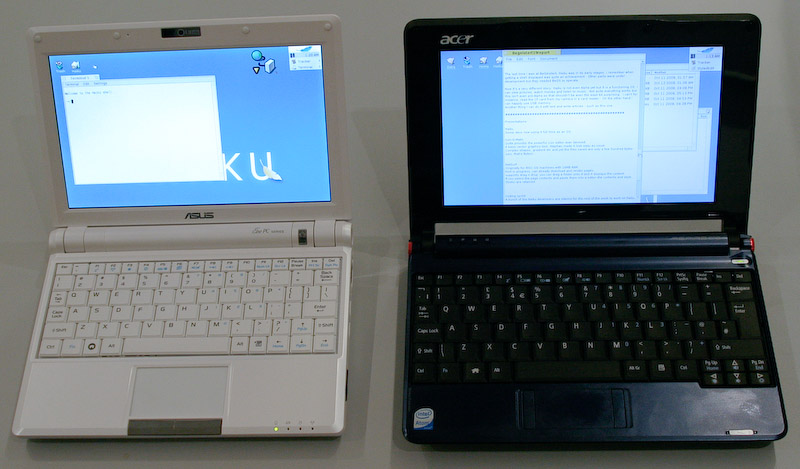
I remember the very early BeGeisterts where most people turned up with desktop machines complete with monitors, keyboards and all the rest of it. This changed over time with more and more people bringing laptops. This time was apparently the first time it was laptops only, most were full size laptops but mini laptops are starting to appear in the form of my Aspire One and there was also an EEEPC.
I recognised many of the attendees although there were a few faces missing from last time, there were a few new people as well. The whole gathering had a bit of a family feel as these days everyone knows each other and gets on well. I imagine this is at least in part to the fact many of us have met over the years at BeGeistert events. This is in complete contrast to some on-line communities where the lack of direct communication means people can be, or appear to be rather different.
There were not exactly a huge number of people present (probably under 30) but BeGeistert has never been a big event and it's going quite well considering BeOS hasn't been on sale for quite a few years now without any direct replacement. Zeta sold for a while but it was quite divisive, popular with some but very unpopular with others.
Haiku is still pre-Alpha so it's not used much. I get the feeling that this could all be about to change though, The Haiku Alpha release is nearing and this could see an influx of previous BeOS users having a look and perhaps bring in some new people as well.
The last time I was at BeGeistert, Haiku was in its early stages, I remember way back in BeGeistert 010 when they first showed a working shell. Other parts were also under development but back then they needed BeOS to operate.
Now it's a very different story, Haiku is not even Alpha yet but it is for the most part a functioning OS. You can view pictures, watch movies and listen to music. Not quite everything works but this isn't even pre-Alpha so that shouldn't exactly be surprising.
The BeGeistert crowd are a very helpful bunch, people I'd never met spent a lot of time helping me get up and running with Haiku. Despite following Haiku for quite some time I've never actually used it. I now have it installed on a mini-laptop I'd bought earlier in the week.
Saturday
The room was full on Saturday with just enough space to go around. Any time I had been before I hadn't brought a BeOS machine with me but this time I now had Haiku and started playing around with it.
It was mostly pretty quiet with people coding away on various things. Even I was busy, I thought I'd be early and started writing this report there (hmm, that really worked).
In the afternoon there ware a number of presentations:
Haiku Update
- Stephan Assmus did a quick Haiku update and showed us the smooth scaling he's put into the movie player. He is now using Haiku as a desktop OS and does his builds on it, that it can be used in such a way shows it is clearly well on its way to becoming a usable desktop OS, at least stability wise.
Icon-O-Matic
- Stephan went on to give us a demonstration of the new Icon-O-Matic, a vector graphics based icon editor. Icon-O-Matic is probably the most powerful icon editor ever made, capable of all sorts of complex images. It can save these icons in a number of formats including Haiku's own minute icon format that typically measures files in hundreds of Bytes (yes, that's Bytes).
Net Surf
- Next up Francois Revol gave us a demonstration of the Net Surf browser port he is working on. Net Surf was originally written for RiscOS machines with just 16MB RAM so it's a very small, fast web browser. The port is not complete yet but there's clearly been good progress. Net Surf can't do everything the likes of Firefox can do but that doesn't appear to be the intent (at least in the context of Haiku). Haiku already has Firefox so it doesn't need to do everything. Being small and fast is very useful, it could be very useful for looking at things like help files where you don't want to launch a big app like Firefox.
- The port isn't complete but it can download and render pages. It also supports drag n drop - you can drag a folder onto it and it'll display the content. You can also select the page contents then copy and paste them into a editor, the contents and style fonts of the page are retained when you do this.
And now for something completely different...
Many visitors to BeGeistert enjoy a drop or two of Dusseldorf's Alt beer. In the middle of all this unmitigated geekery some of us went to see how it is made. On Saturday evening we went on a trip to a brewery at Zum Schlussel, a large beer hall that houses its own brewery, oddly enough the very one me and Humdinger had been to the day before.
We were shown the ingredients of the beer then shown around all the various beer making equipment and had the process explained to us along the way in rooms that were either boiling or freezing, and sometimes smelly. The brewer didn't speak English so Charlie had the job of translating for us. It's not a big brewery but beer is made most days and it's made in sufficient volumes that they supply other bars and bottle some of it for sale.
Once the tour was over we of course relaxed with a beer or two :-)
Inside the place itself the beer is brought up on a small lift and the beer poured directly from a tap inserted into the barrel. The speed they pour the Alt at is quite astonishing, it must take all of about a second to pour a glass, during which time the bar man has slid the previous glass away and picked up a new one.
I like the simplicity of the system they had, you nod at the bar man and he brings you an Alt. There's no other beers and only one size of glass so it's all a very simple affair. That said it needs to be given how big the place is and how many they can cater for outside.
After the brewery we went to a Spanish restaurant for a meal (which ironically didn't serve Alt). The centre of town was so busy that we could only get tables inside, but this was a good chance to chat and get to know everyone.
Afterwards we did a bit of a BeGeistert tradition and went for a glass of Killepitsch, a sweet spicy liquor that's native to Dusseldorf. I remembered this drink from the previous times I'd been to BeGeistert, it dates back to the second world war and the name translates as "kill drink" as in they'll not kill us while we still have something to drink. That said I can well imagine it doing something decidedly nasty to your head if you drank too many of them!
After a walk along the riverside we went back to the hostel where the event was still going, (they weren't short of a drink either though as they had a fridge full of beer). Eventually most people went off to bed leaving Charlie and a few of the French guys holding an impromptu competition to find the ugliest web page. We all eventually went to bed but thankfully not at the weird times of the night of some of the previous BeGeisterts. This is possibly because Ithemar wasn't there, though he's known for not going to bed at all!
Sunday
On Sunday Bas de Lange, who had cycled all the way from The Netherlands, gave us a talk on the new Syllable server.
Syllable is another alternative OS with similar aims to Haiku but unlike Haiku it is not based on a pre-existing system, though, like BeOS it was inspired by the Amiga.
Syllable already has a desktop version based around the Atheos kernel which itself was inspired by BeOS and the Amiga. This talk however was to introduce the new server version of Syllable.
Rather than trying to create a single OS for everything the Syllable team decided to make an OS specific for its purpose, so while there is already a desktop version they created a separate server version.
Syllable server is based on the Linux kernel but the userland is quite different. It includes the Gnote L4 microkernel OS framework, this includes security functions called "capabilities" that have been around for decades but are rarely used as they have to be tightly integrated into the kernel. Like the Syllable desktop it makes use of the Rebol language using the open source clone ORCA. The server also makes use of the Rebol quatermaster web framework.
Syllable looks like a very interesting project, it's based on very modern ideals and technology but doesn't have the disadvantage of legacy baggage. Interestingly the the programming framework is based on BeOS, I wonder how different they are though? I wonder could we ever see Haiku-Syllable cross compatibility?
Bas had a few flyers to describe the system and was also selling the discs. I don't know how many he sold but he definitely sold some. He also extended an invitation to us to visit one of the Syllable events in The Netherlands next year.
Bas mentioned one of the reasons he liked BeGeistert is because he got a friendly response even though he's talking about a completely different OS. He's more used to going to Linux shows where he can sometimes get a rather more argumentative response!
Sunday afternoon, finishing up
Although the event was quite small it seems to have been enjoyed by everyone there. Indeed, Charlie asked if we wanted another BeGeistert sooner or later and the response was pretty much unanimously, sooner. The next BeGeistert has already been pencilled in for the first weekend in April.
Most of the attendees went home on Sunday afternoon leaving only the "software athletes" (doing a code sprint) and a few others, namely Giuseppe, Bas and myself.
In the evening some of us went out to an old BeGeistert favourite, Lupo's pizzeria in Dusseldorf altstadt. Bizarrely the guy serving seemed to recognise us, quite a feat after 5 years! We not only had a great pizza but we were also given a special dish made from beans and spaghetti that isn't usually served in Italian restaurants, there are seeming quite a few Italian dishes like this and most people are probably completely unaware of them.
On the way back we had a discussion on the merits of the different approaches taken by Syllable and Haiku.
The argument went something along the lines of Syllable is a new OS whereas Haiku is a recreation of the old BeOS. Actually it turns out that basing Haiku on BeOS was really just a means to an end, it gave the developers a specific point to shoot for rather than having them argue about the direction. The overall aim of Haiku is to create a modern OS and in that respect the two systems are very close, indeed some things are done in a very similar way.
The different approaches of Haiku and Syllable both have Pros and Cons but ultimately there is room for both. With Bas attending BeGeistert and at least one of the Haiku developers on the Syllable mailing list I think there is good opportunity for developer "cross pollination". The different approaches when taken together are in my view, an advantage.
There was was also a bit of discussion on licenses (Haiku is MIT, Syllable is GPL / LGPL) oddly enough I don't think there was a conclusion to that one...
Monday, Tuesday and the coding sprint
On Monday only the code sprinters were left, Bas and Giuseppe went home and I did the same, or at least, I tried to. I discovered I'd booked the flight for the wrong day (D'oh!) and after discovering the price of changing the flight I went back to the hostel.
The code sprinters were busy coding away and I thought I'd be useful so I offered to write a guide for Icon-O-Matic, It doesn't work like a bitmap icon editor so probably needs one.
The code sprint event pretty much consists of some of the core Haiku developers sitting in a room for a week coding pretty much non-stop. It seems to have been very beneficial as many bugs were squashed that week, features added and optimisations made. Interestingly it also appears to have had a strange psychological effect as the developers not involved in the code sprint also appeared to sped up their development as well.
Staying the extra day was useful as I was able to find out a lot about Haiku I wouldn't otherwise know. Unsurprisingly Haiku isn't as well optimised as Linux, but in many areas it exceeds the performance of BeOS by a wide margin. Something I found very surprising for a pre-Alpha.
It's also useful hanging around OS developers when you have a problem. I mentioned my flash card reader didn't work, Mikel Lodz promptly grabbed it and half an hour later he was able to tell me what the problem was, it wasn't fixed but now they know how to fix it. I also found out how to get networking working on my laptop in much the same way.
On Tuesday I was eventually able to go home. Complete with a souvenir, a bottle of Killepitsch... You can only get it in a few shops in Dusseldorf, it doesn't appear to be available anywhere else.
The next BeGeistert is pencilled in for 4-5th April 2009, I don't know if I'll make it to that one but I don't plan on waiting another 4 and a half years!
In part 2 (yes, there's more) I'll talk about the Acer Aspire One netbook, how it got Haikued and my first impressions of Haiku as an OS. Hint: It was stable enough to write this.
Pictures
Anyone know the names of the folks I've missed please let me know.
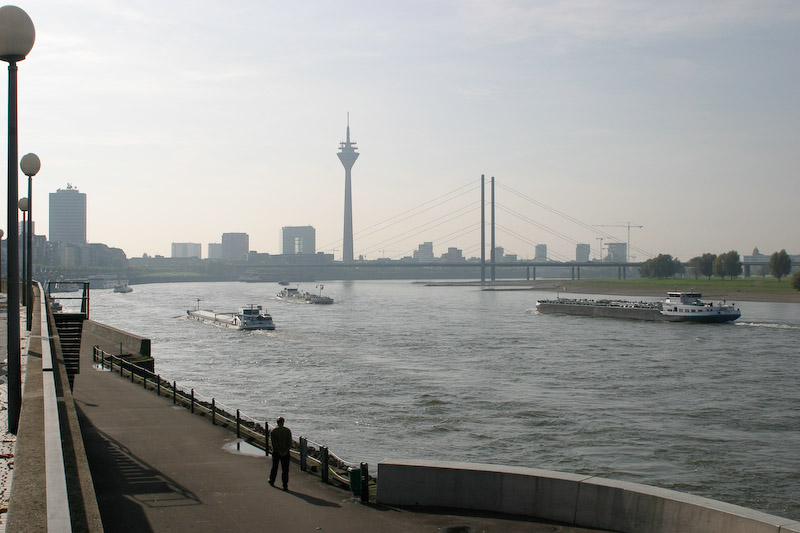 BeGeistert is held in Düsseldorf (near the end of the bridge on the right) |
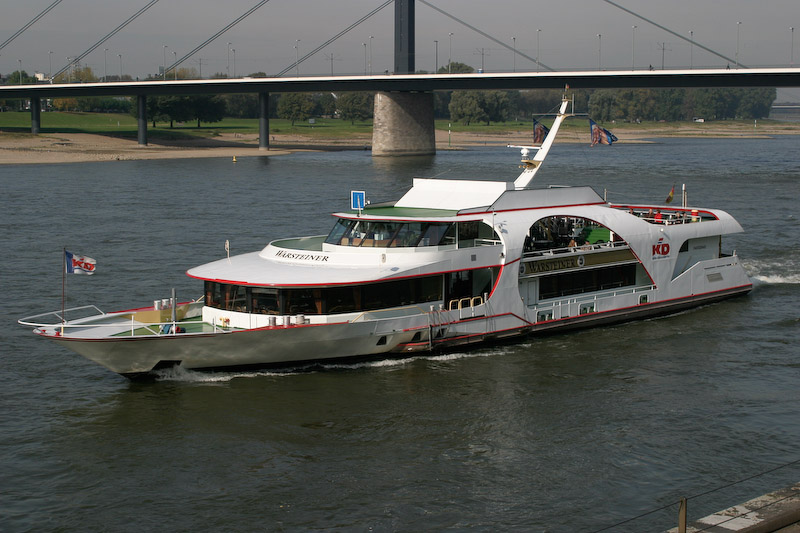 A BeerBoat |
 Don't f**k with me! |
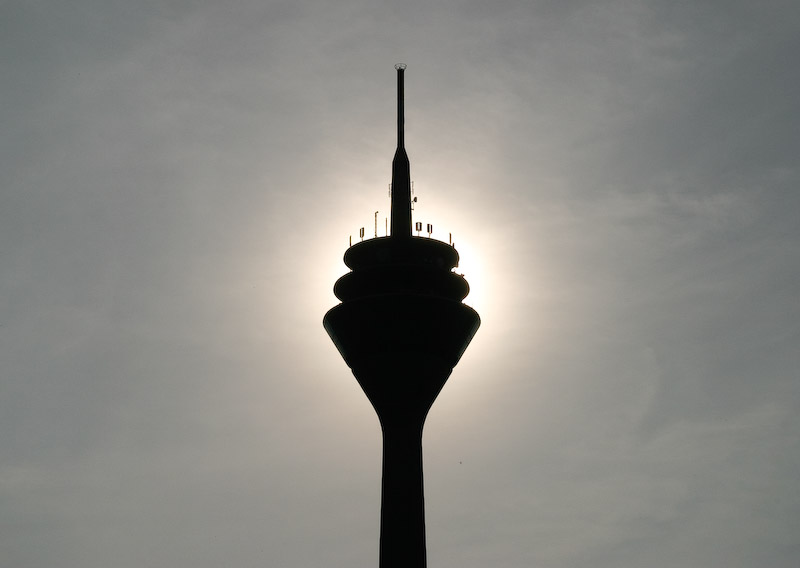 The tower |
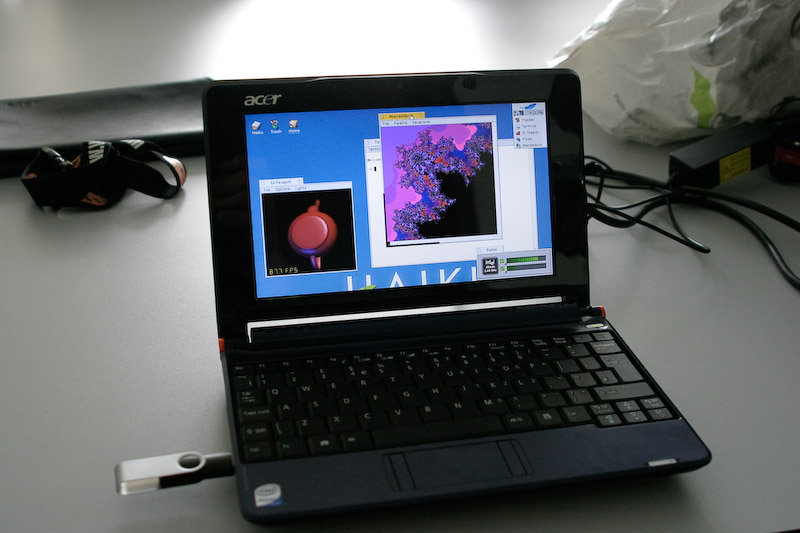 At BeGeistert... Haiku booted first time on the netbook |
 It's so good it makes you pull funny faces! |
 Charlie Clark was organised |
 Do you want perform an experiment that creates a black hole that destroys all life on Earth? Press "Y" for yes. |
 Weird, there's no beer in the fridge. |
 Anyone want their windows cleaned? I do XP and Vista... |
 Trade you an empty bottle for a silly hat? |
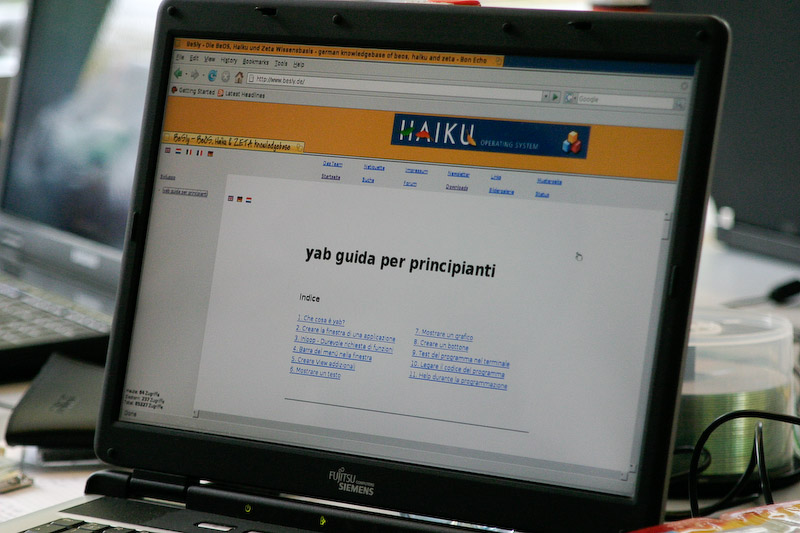
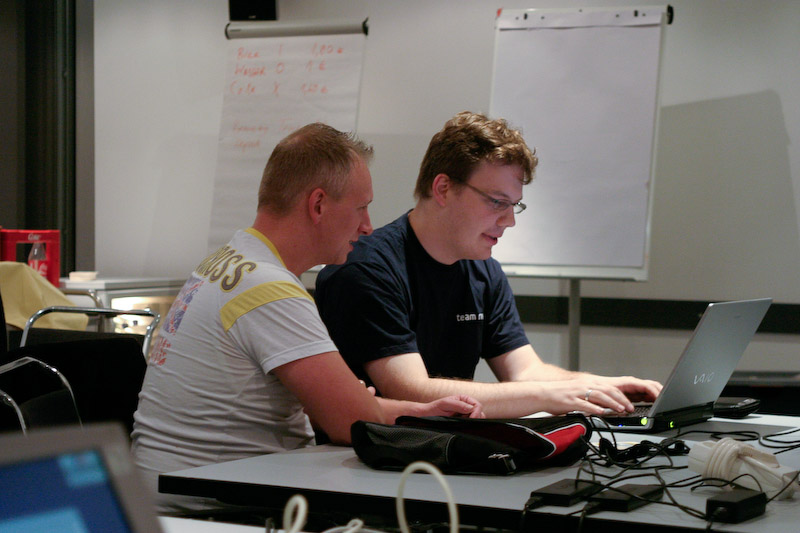 Ralf Schülke and jan__64 work on something together - yab maybe? |
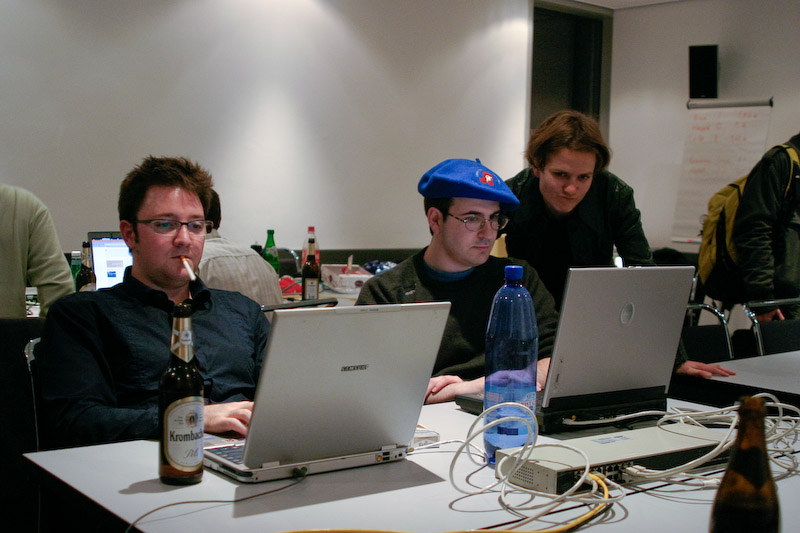 Cigarettes, Alcohol, two laptops and a funny hat. BeGeistert French style |
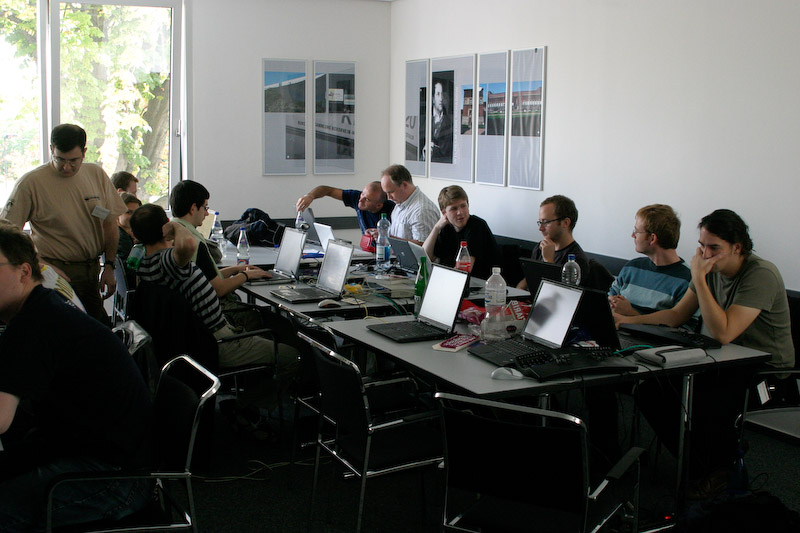 Saturday |
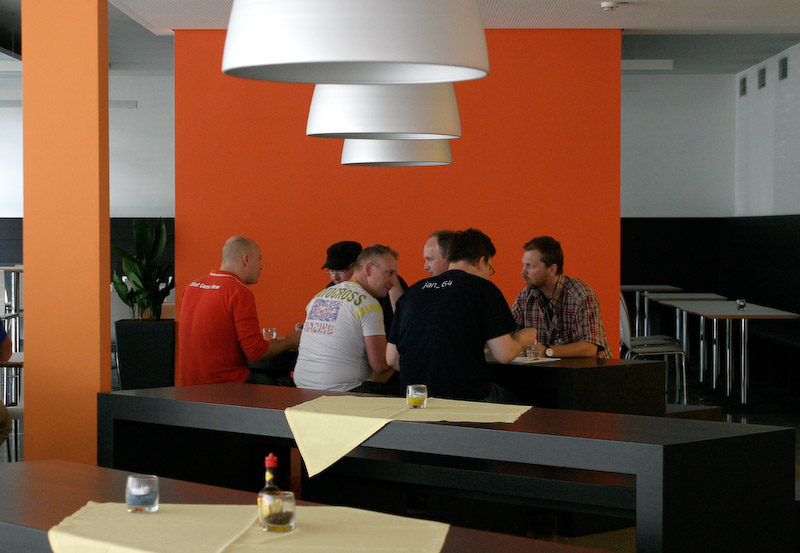 The modernist meals hall |
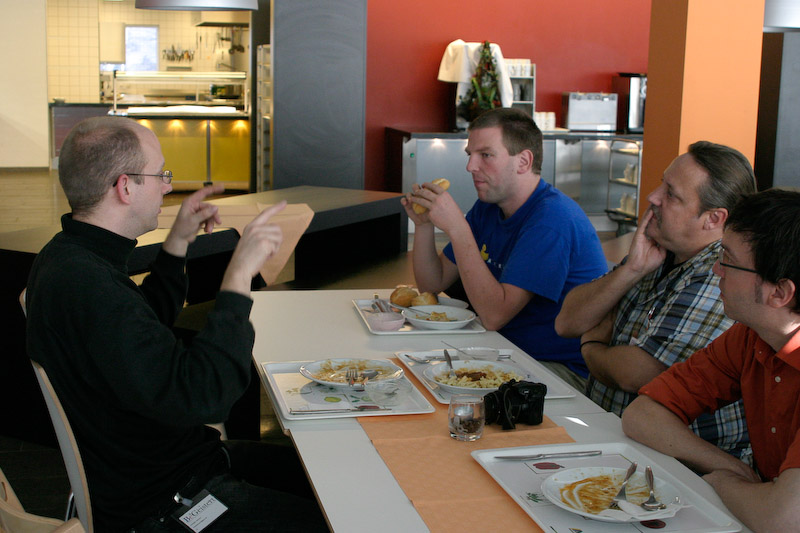 My roll was this big. Christian Albrecht, Bas de Lange, Begasus, Oliver Tappe |
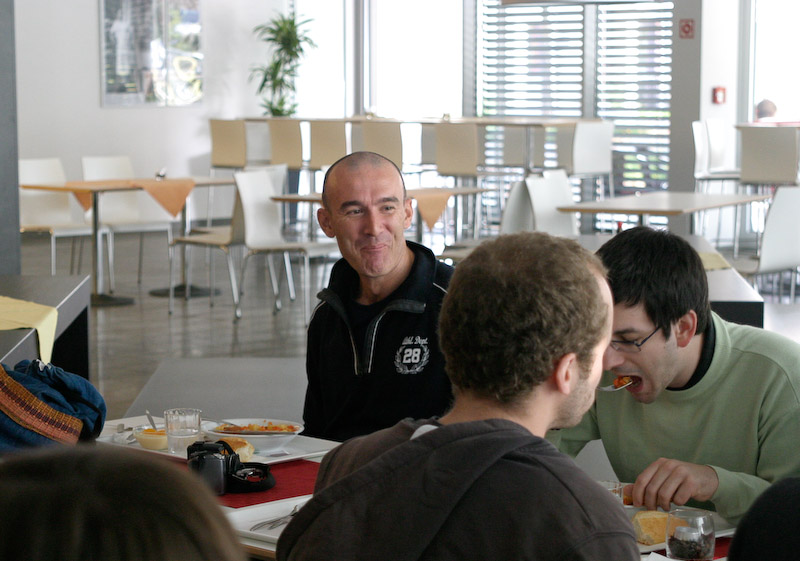 Did something taste funny? |
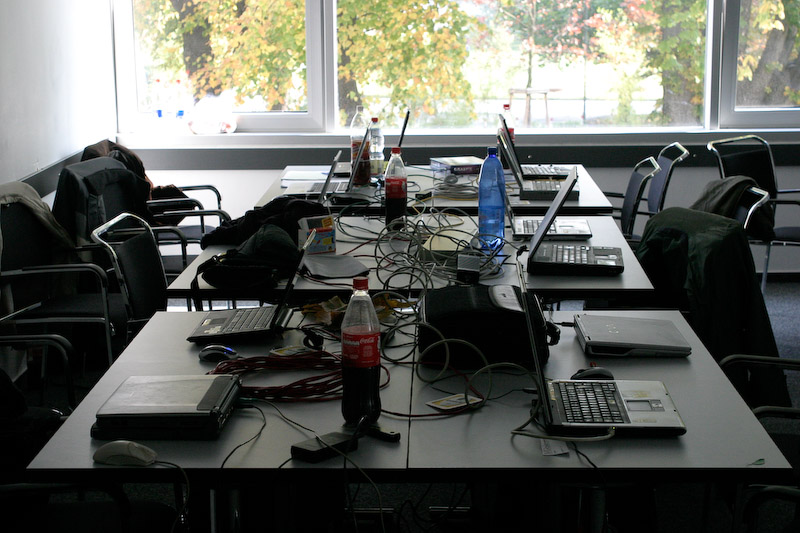 Saturday morning everyone was er, hidden |
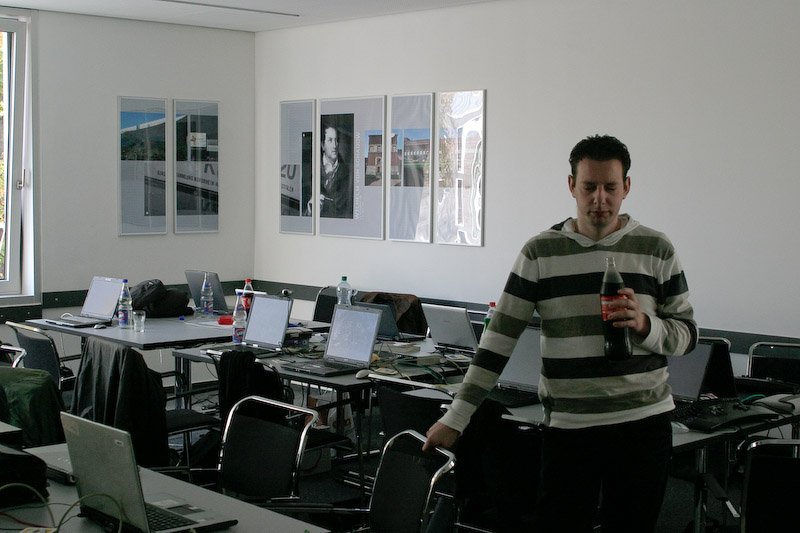 Mark Hellegers meditates before coding |
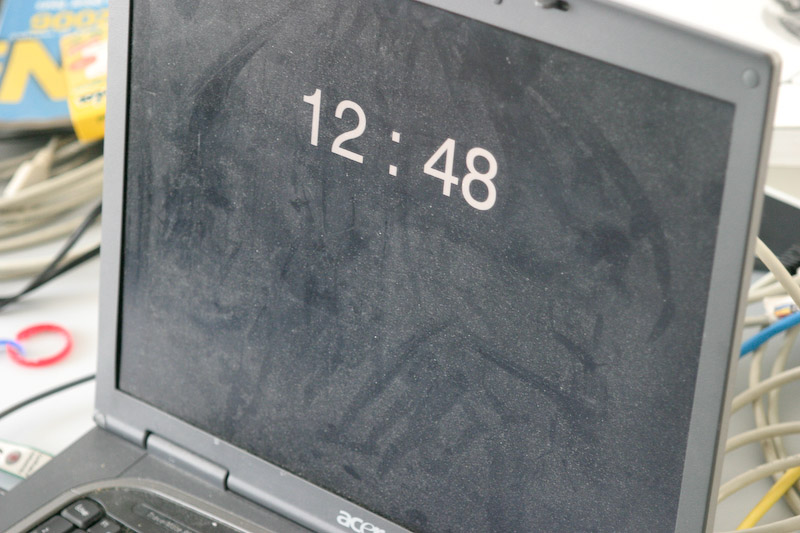 There is a hidden message in this picture: "Clean Me!" |
 Does the sound driver need work? |
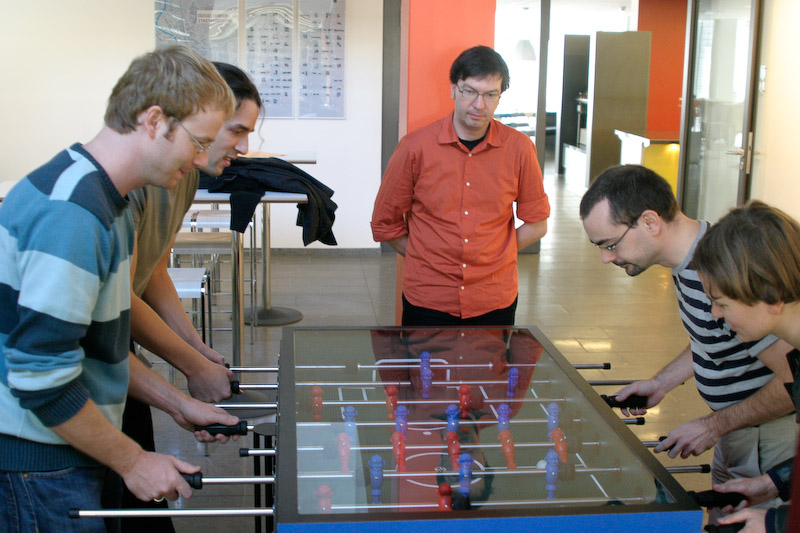 Some enjoyed a game of table footie |
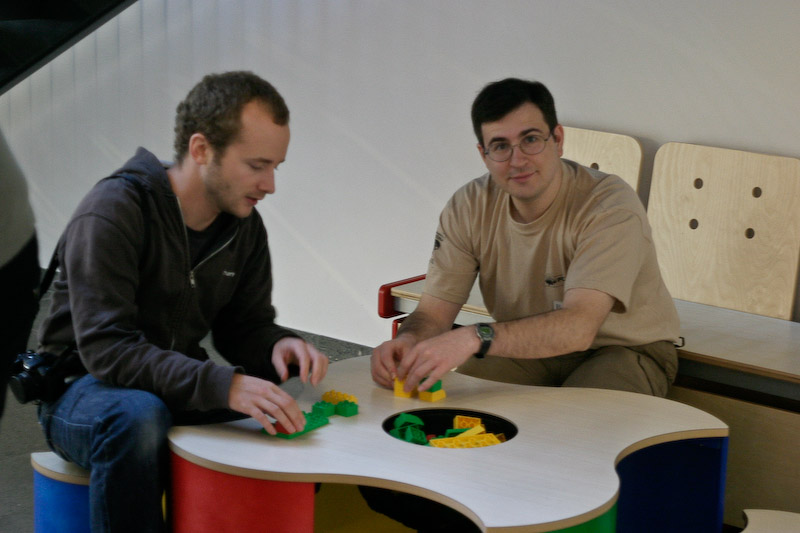 Some tried their hand at hardware engineering Alexandre Deckner, Rene Gollent? |
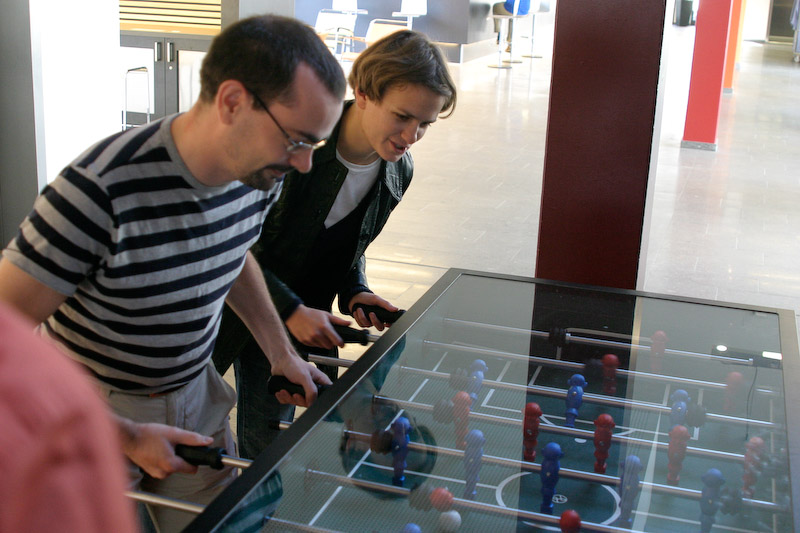 Still playing footie Jérôme Duval, Michaela |
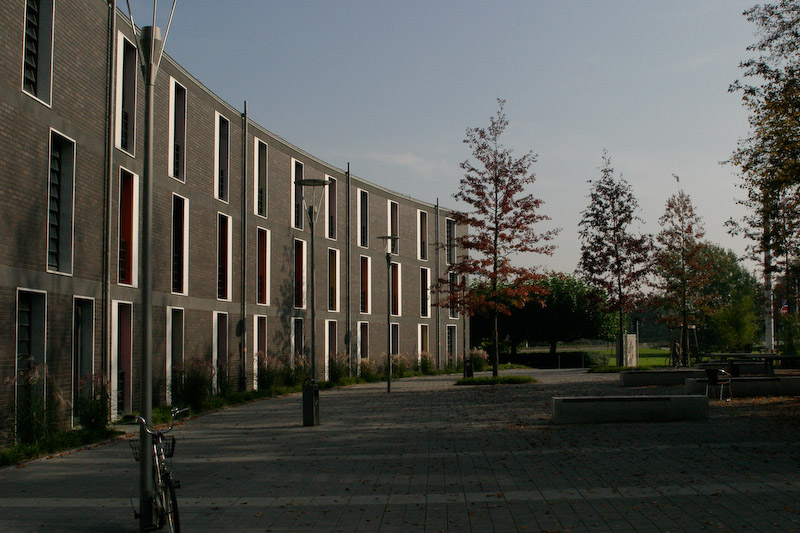 The new youth hostel sleeping block |
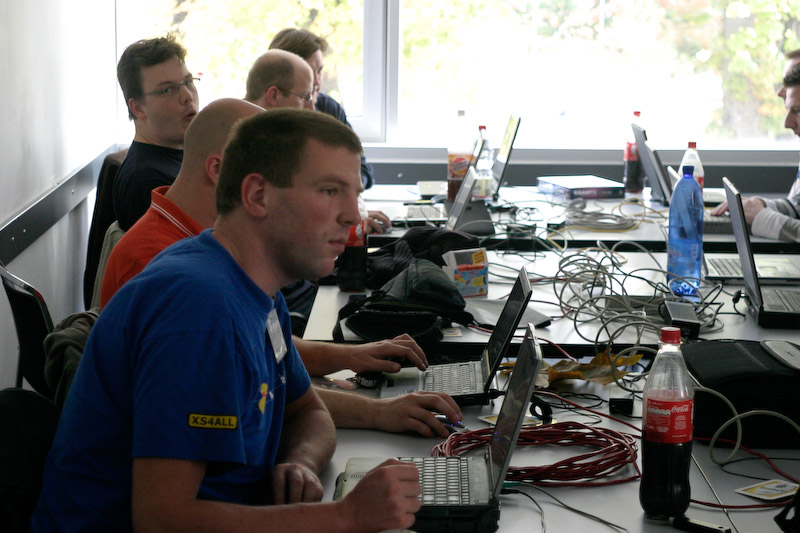 Bas de Lange |
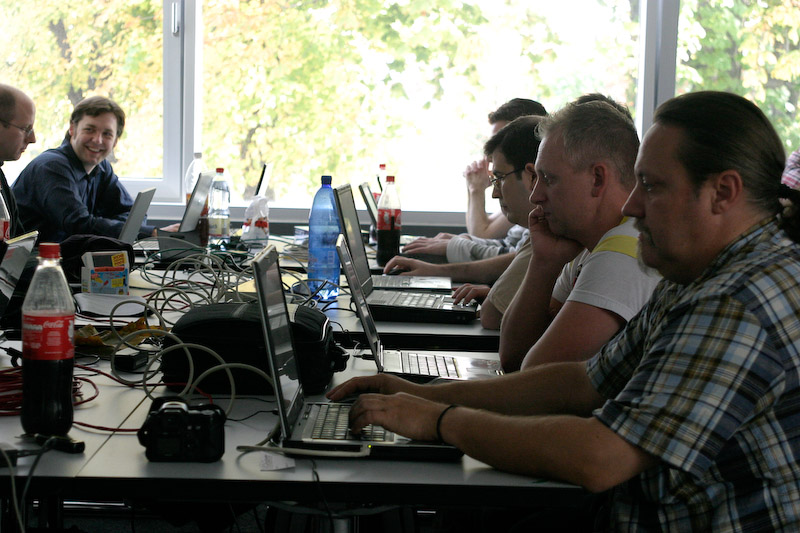 Laptop lineup |
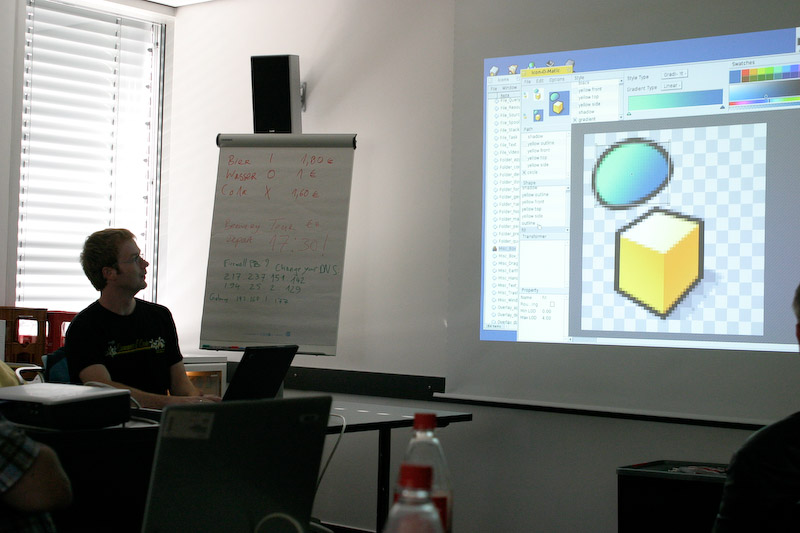 Stephan Aßmus gave us a couple of talks, this one on Icon-O-Matic |
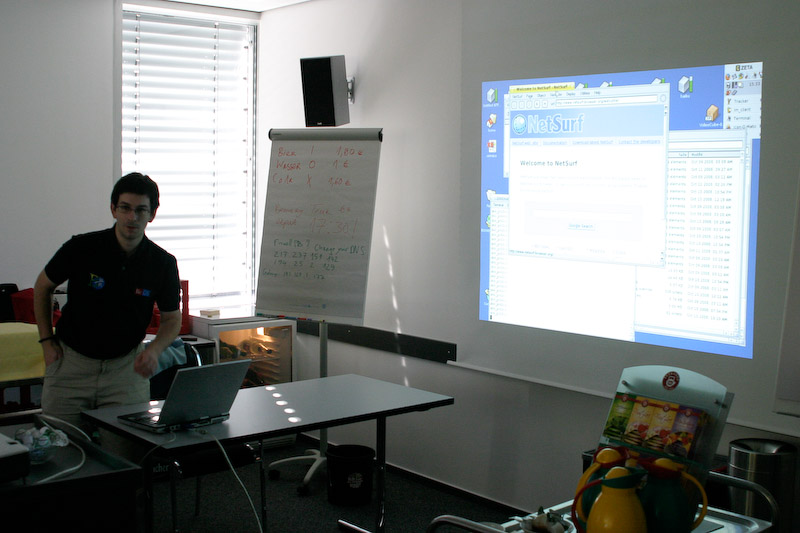 François Revol talked about NetSurf. |
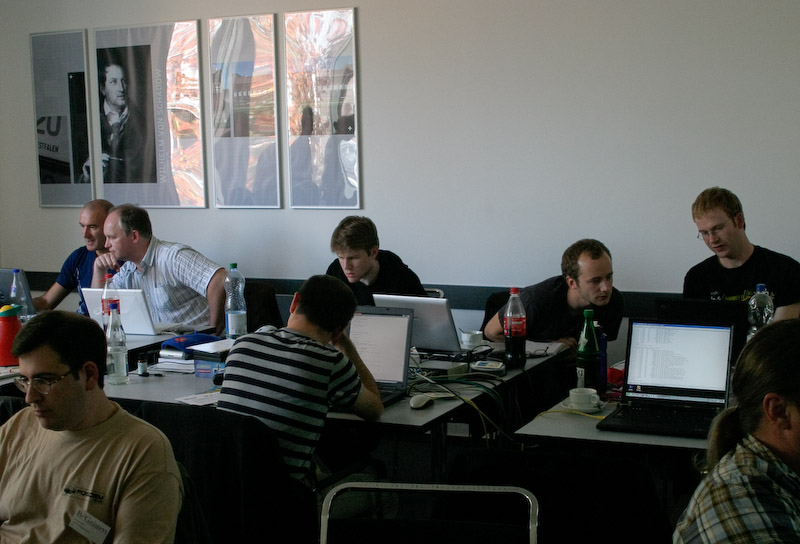 They came from all over |
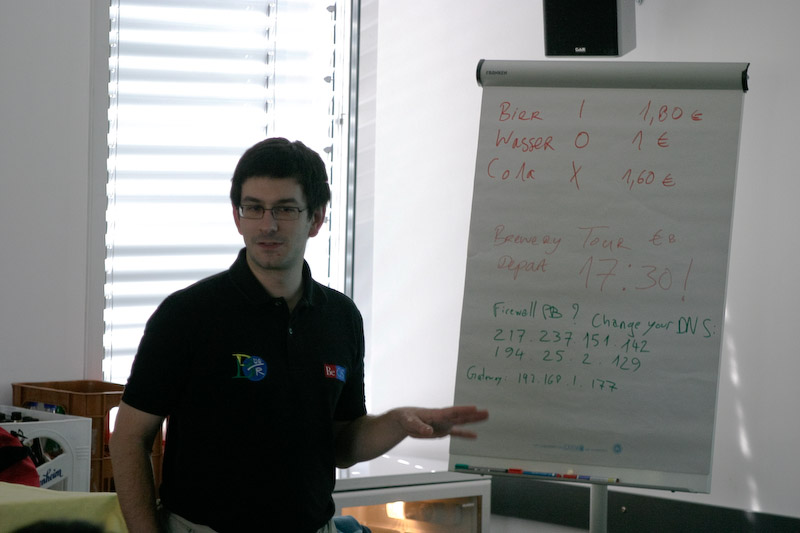 It works, Just like that |
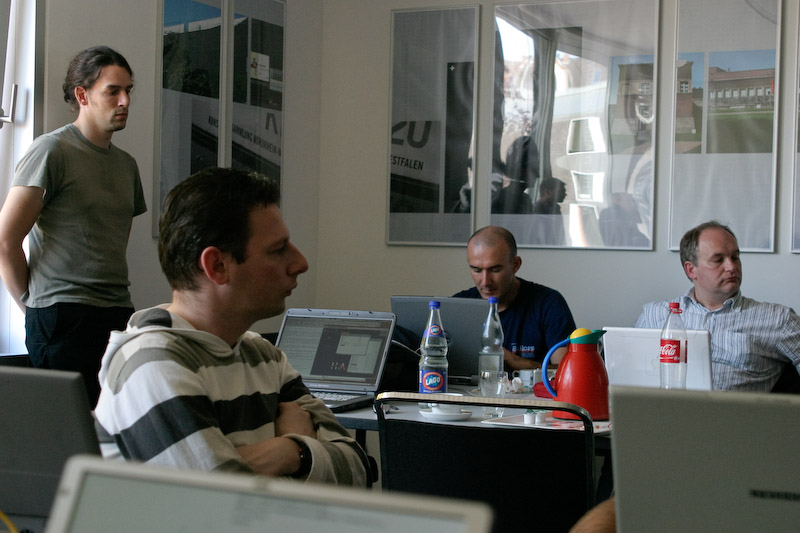 There was some exciting stuff - but apparently not when I took this. Axel Dorfler, Mark Hellegers, Giuseppe Gargaro, Markus Maier |
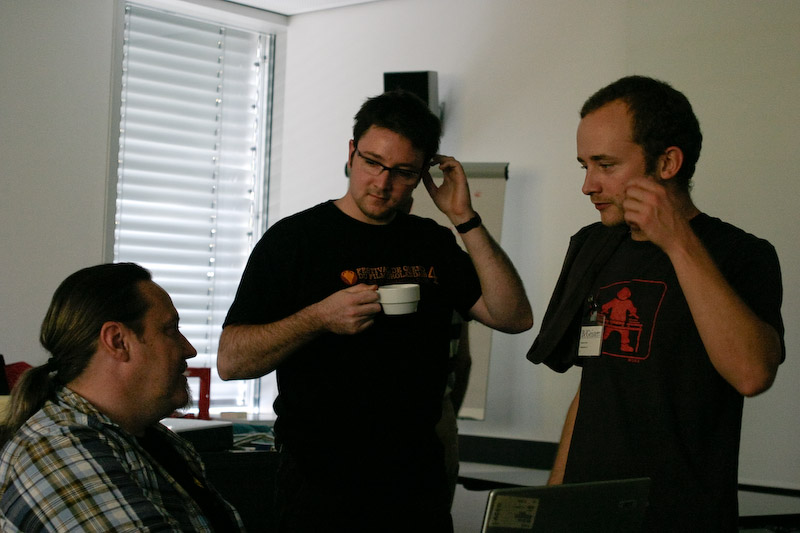 Some say open source is just to scratch an itch |
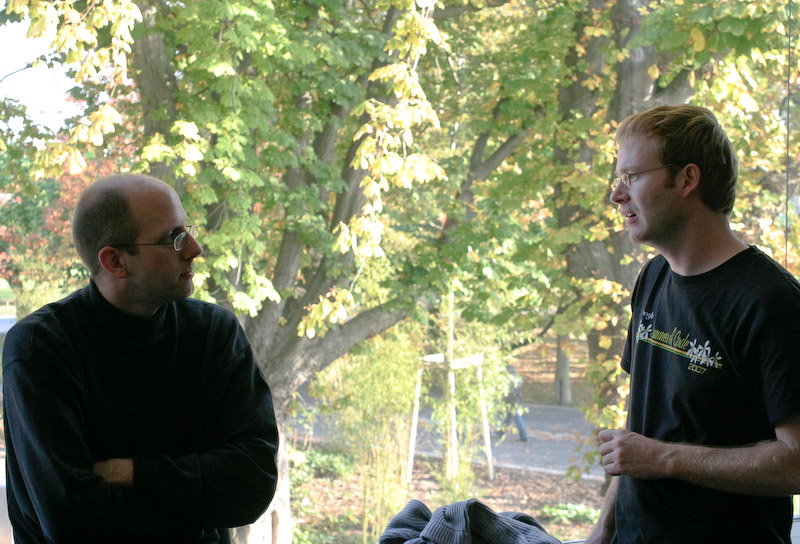 You could chat with a view. Christian Albrecht (Lelldorin), Stephan Aßmus |
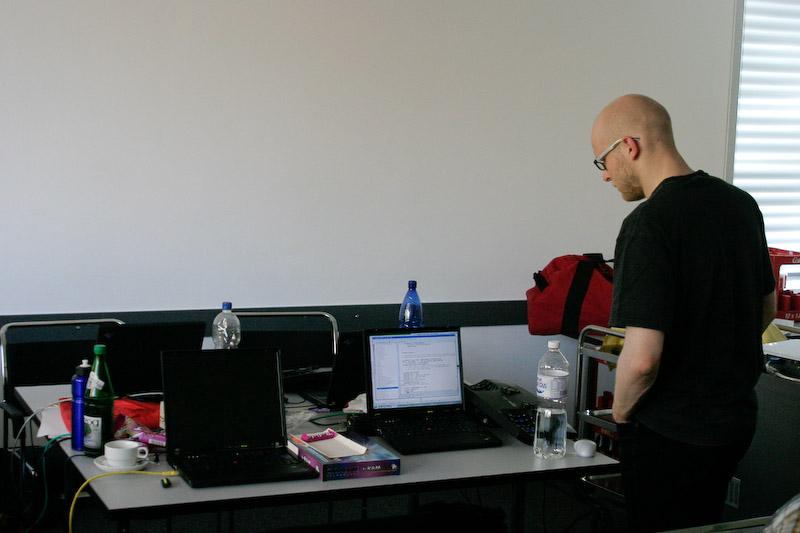 Ingo's optimisations are so fast you have to stand back from the computer! |
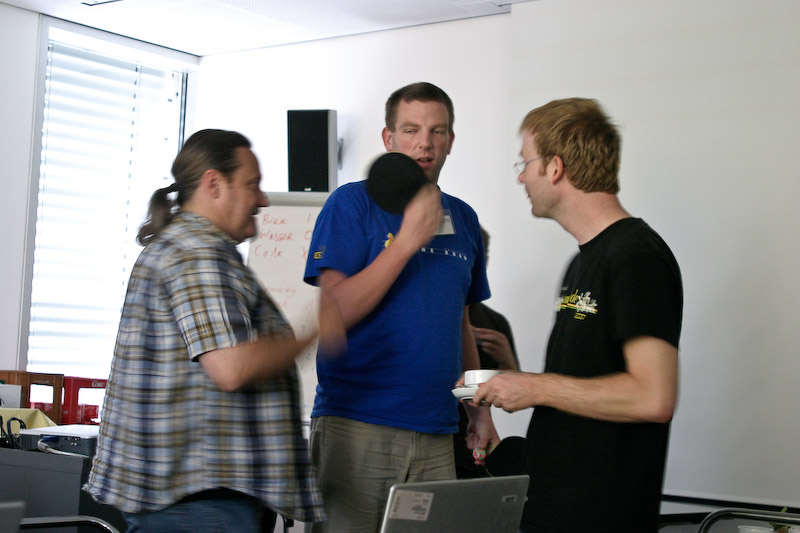 Anyone for (table) tennis? |
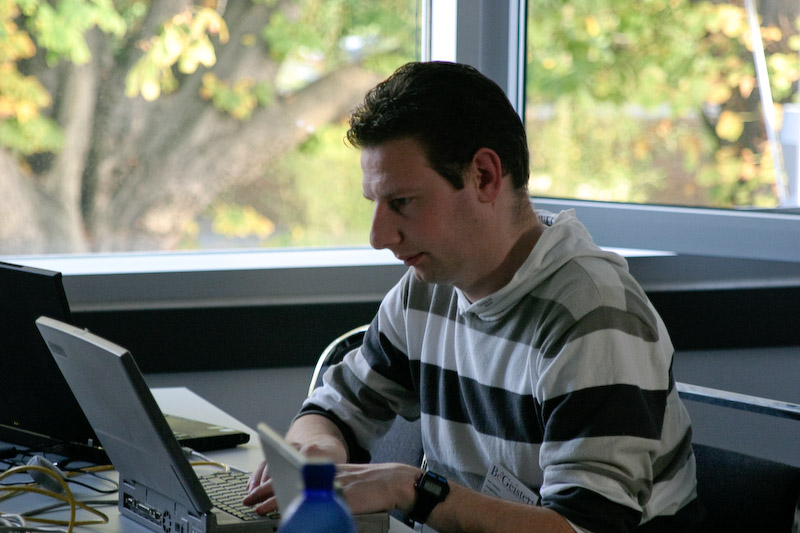 Mark Hellegers and his 12 year old laptop. |
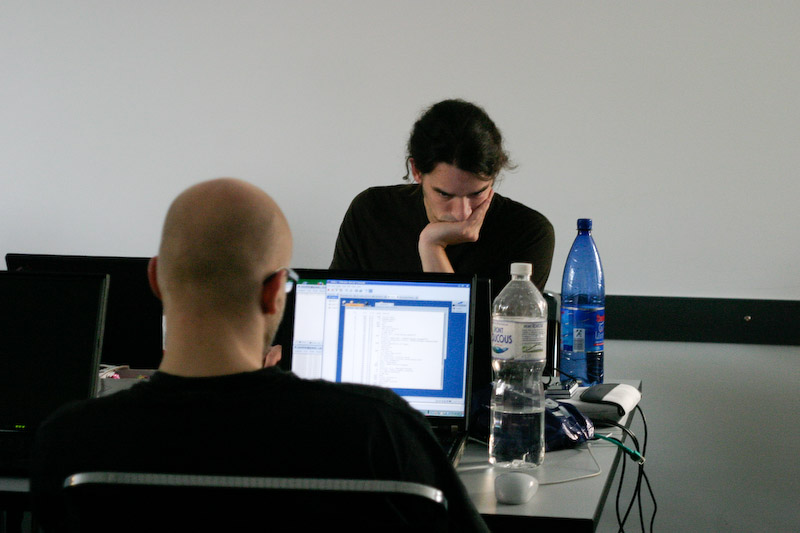 Ingo and Axel working hard on Haiku |
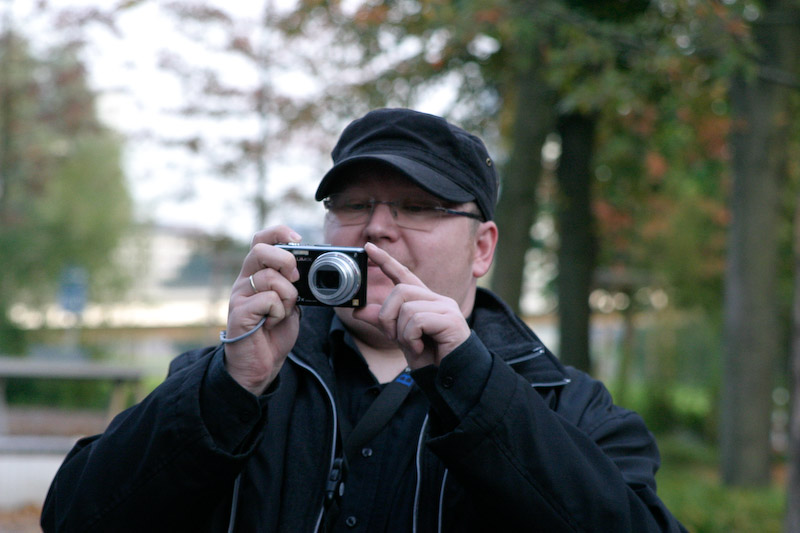 Smile! André Meissner |
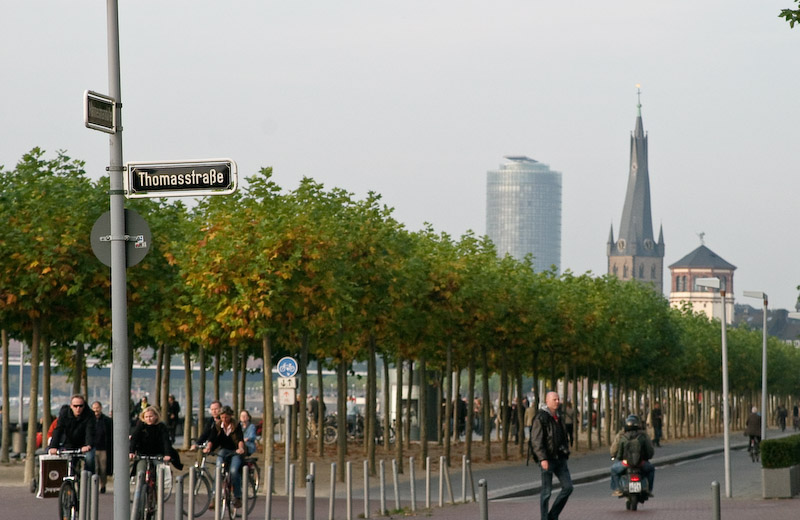 Saturday evening we went into town |
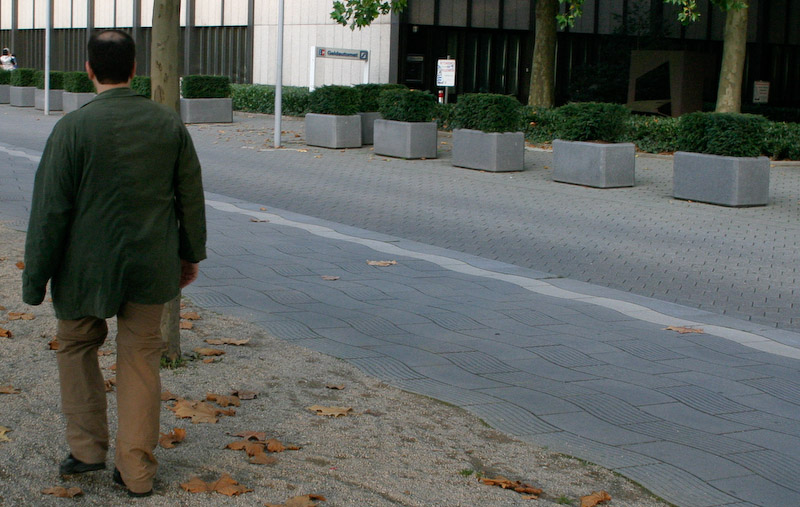 Düsseldorf has some really crazy paving |
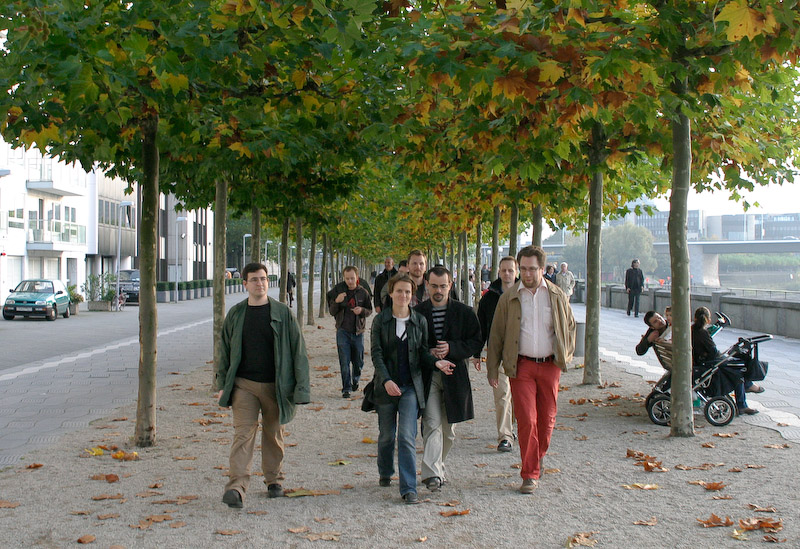 A crowd of us went |
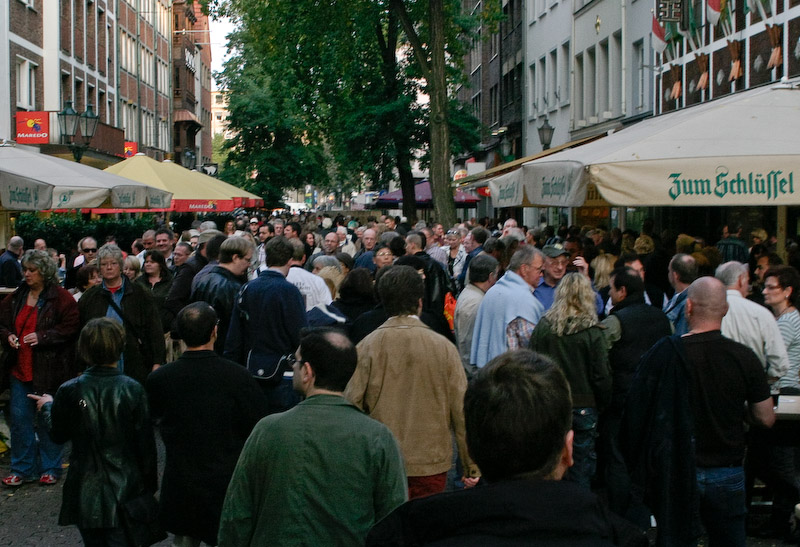 Saturday was very busy |
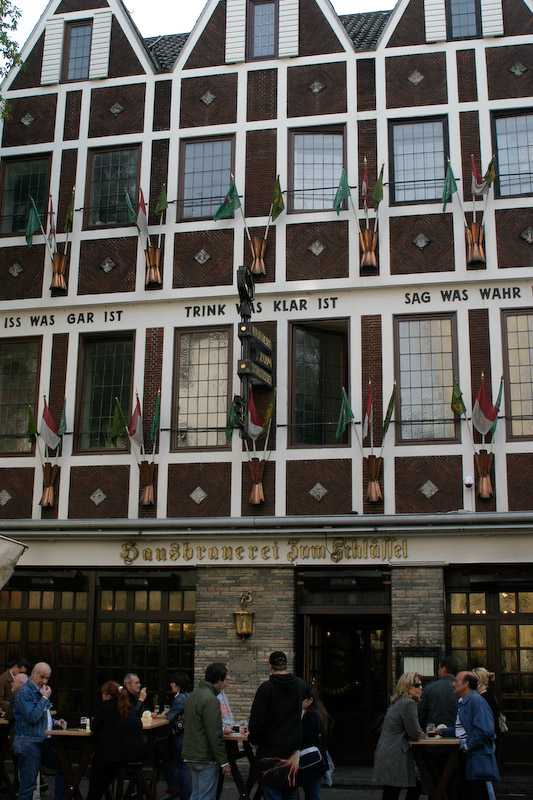 We went to Zum Schlüffel beer hall to see how they make Alt beer |
 Lots of weird little wheels to turn. |
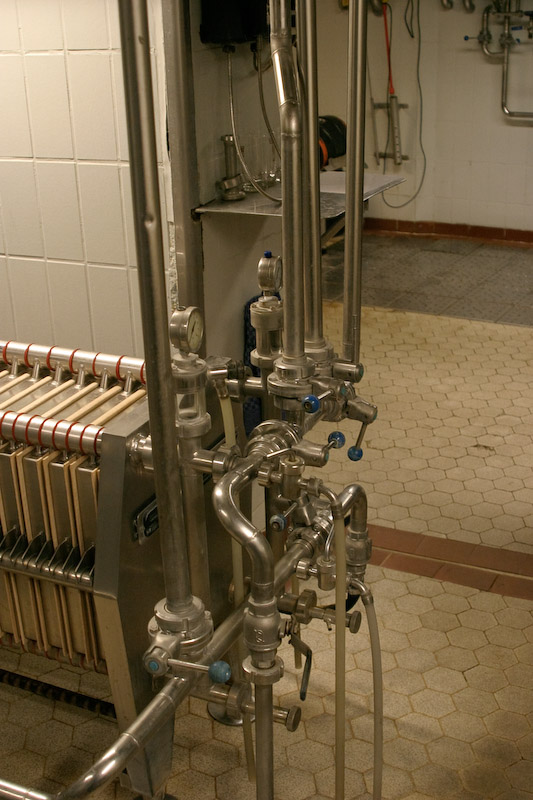 Complicated looking mechanical things |
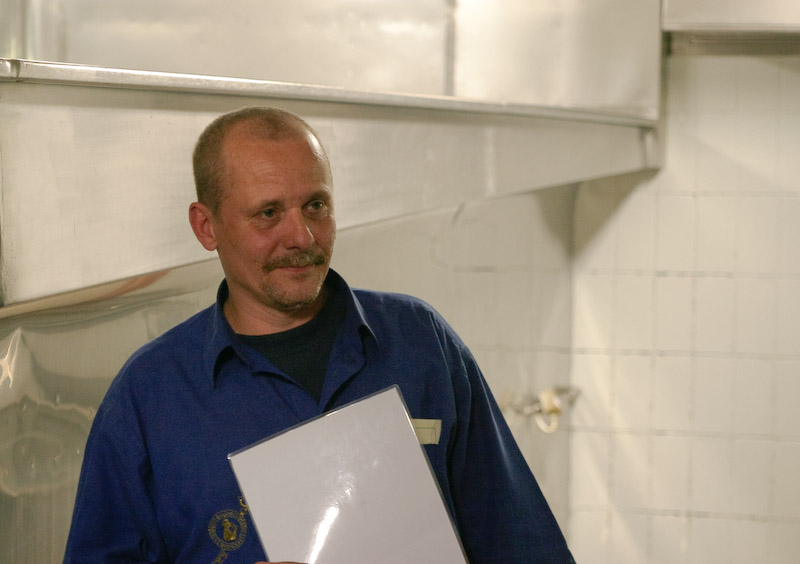 The brewer and part time tour guide |
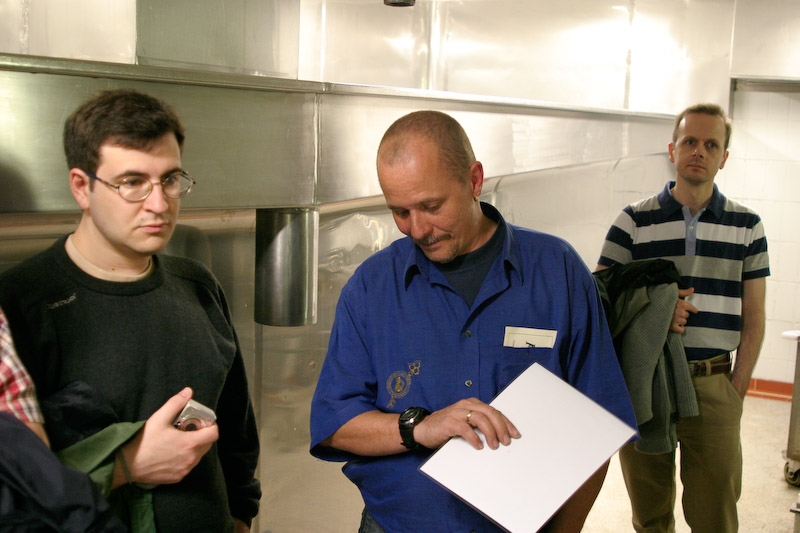 How long does this thing go on? |
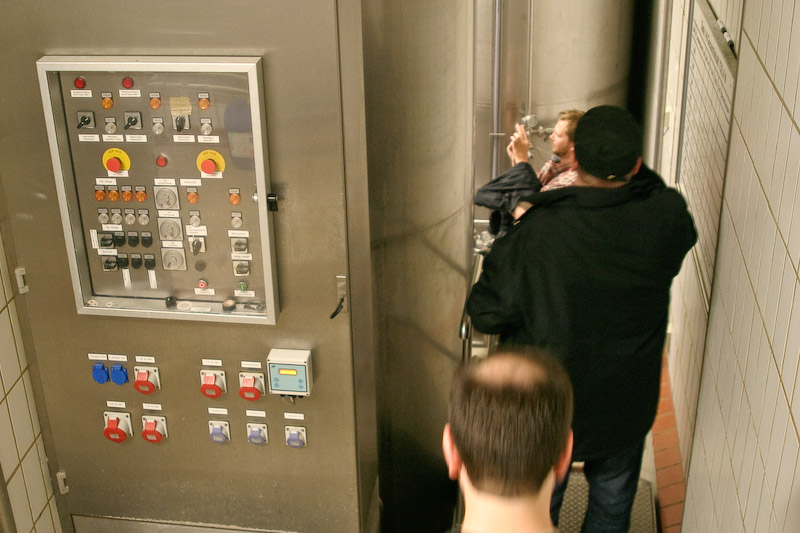 Press this button for beer |
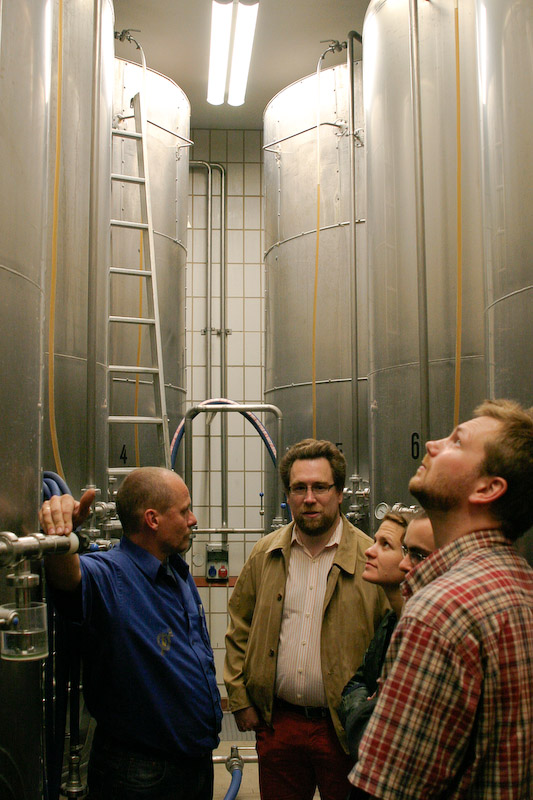 So how much beer are you going to need? |
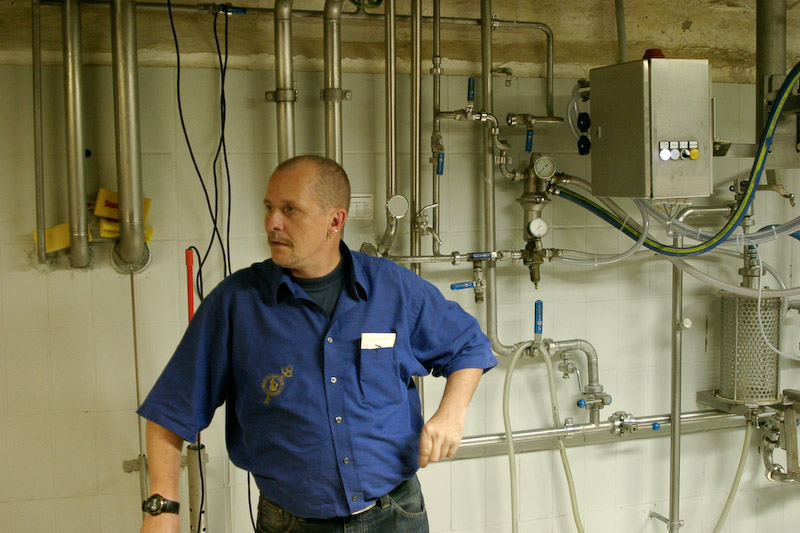 The barrel filling station |
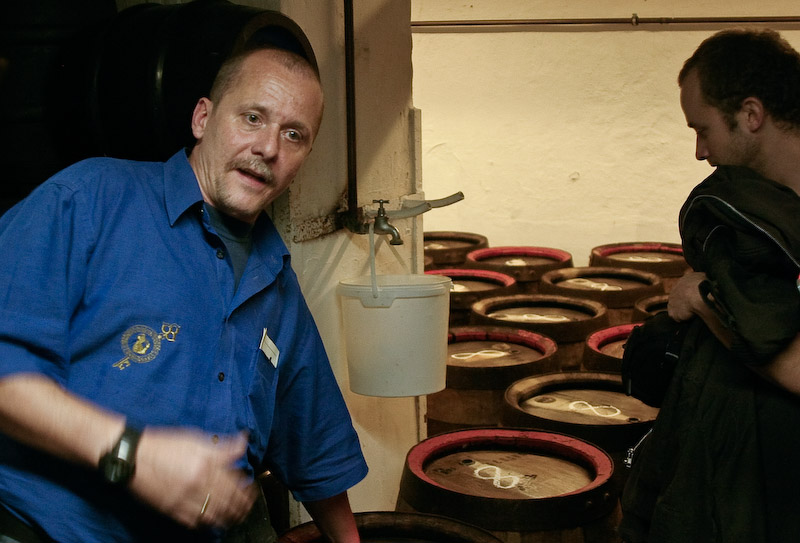 The finished product goes into these |
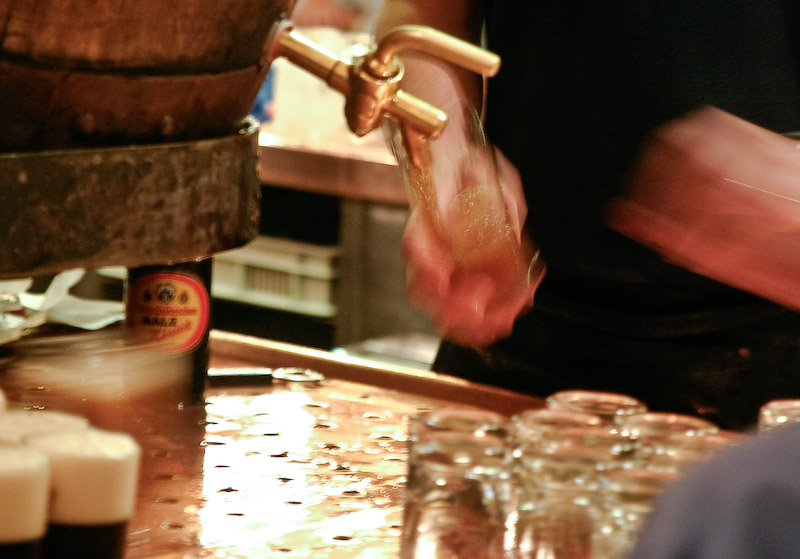 The beer is poured very quickly |
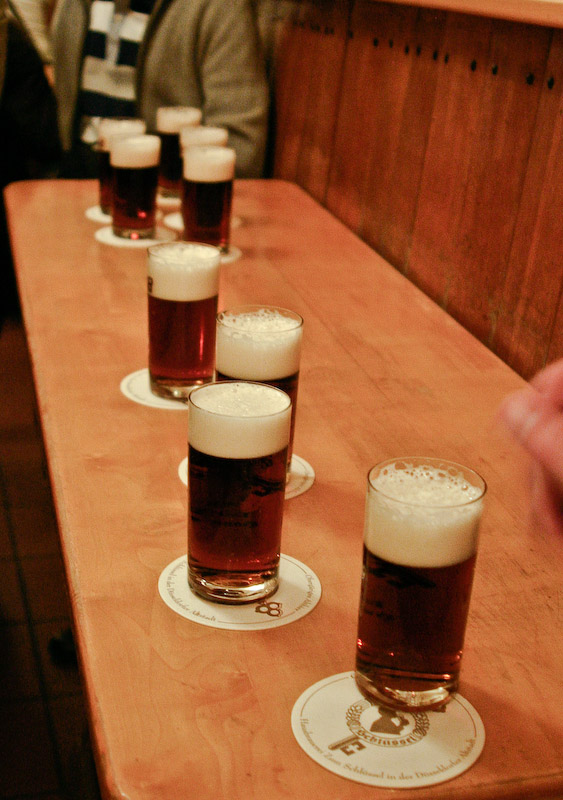 Mmmmmmmm, beeeeeer |
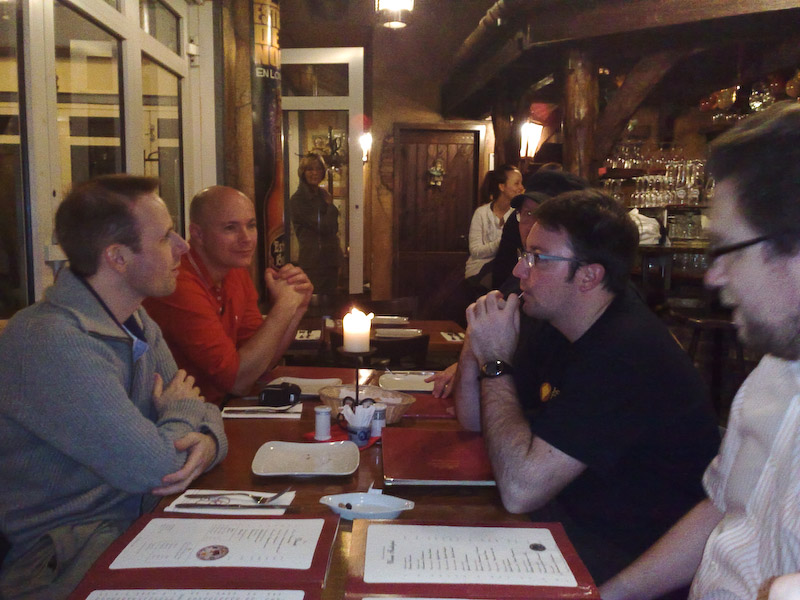 Dinner in the tapas restaurant |
 Giuseppe raises the dead, or something... |
 Waiting for the meal |
 Back out in the town we seen this - I'm sure there's a movie here... James Bond: Golden Arse |
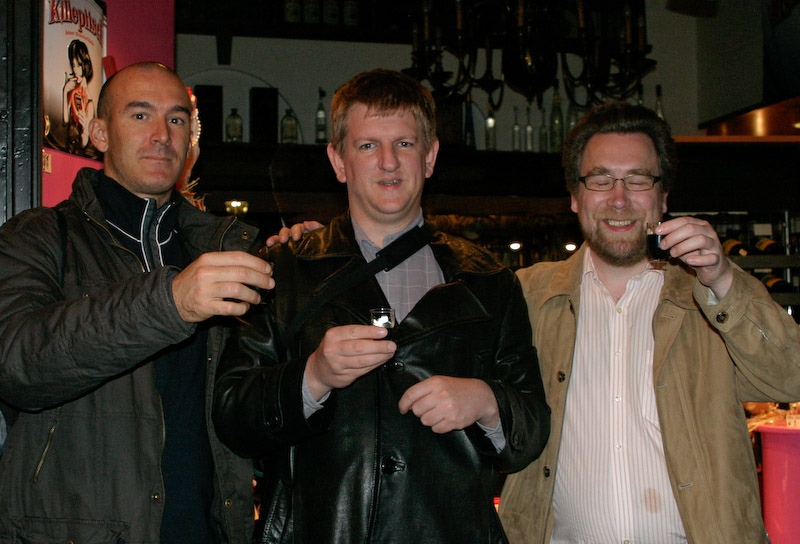 Giuseppe, Me and Charlie enjoy a Killepitsche |
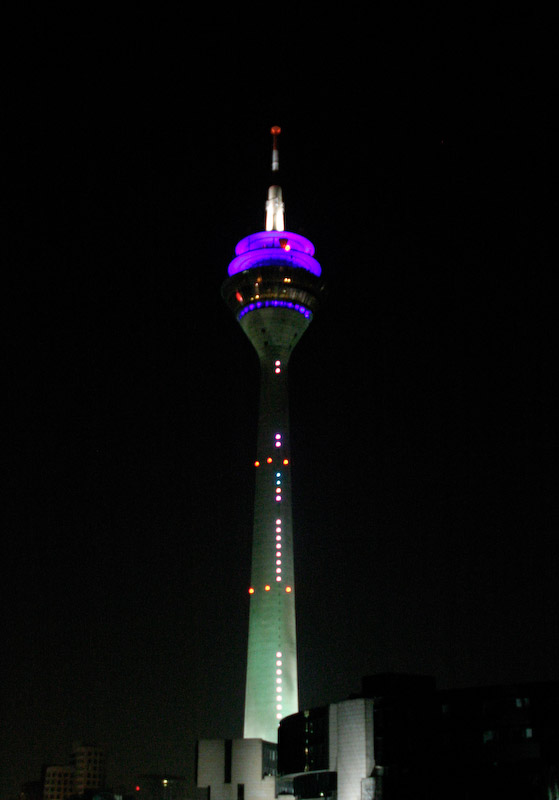 And the time is: 22:48:09 (Yes really, The lights show the time) |
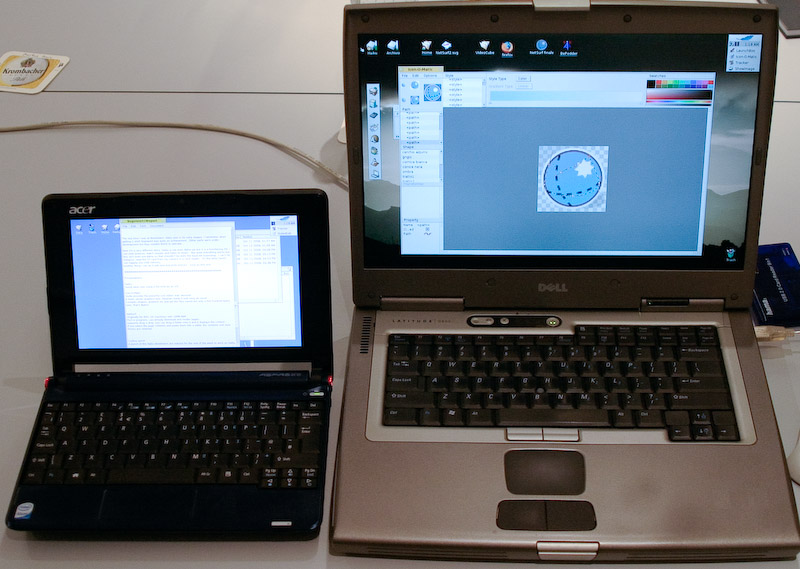 Who's your daddy? |
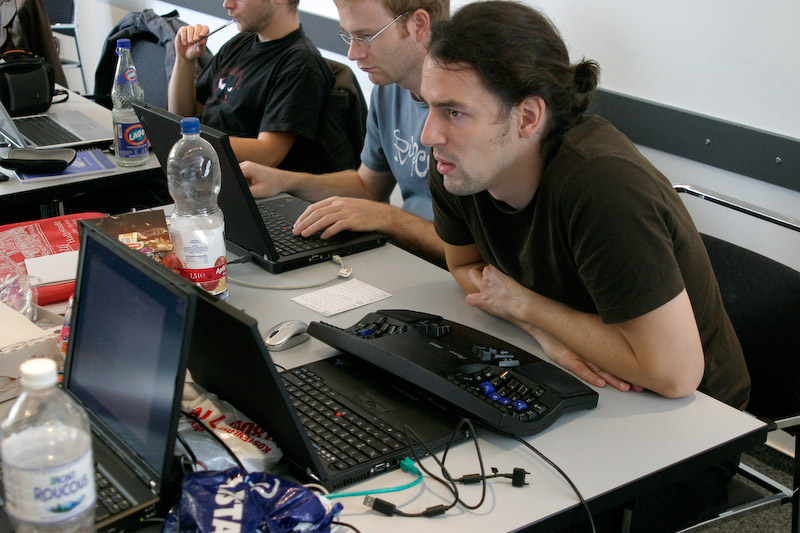 Axel and his ergonomic keyboard. I'm told they're very good, they just look painful! |
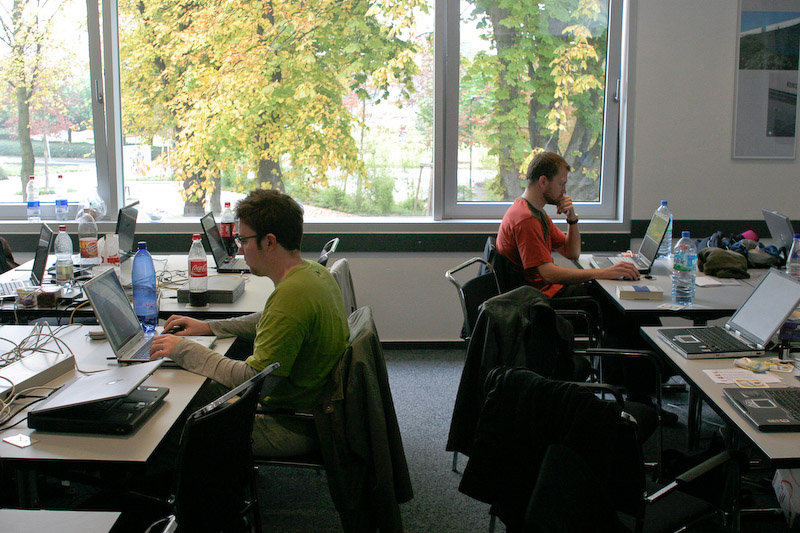 ? and Humdinger sit and haiku |
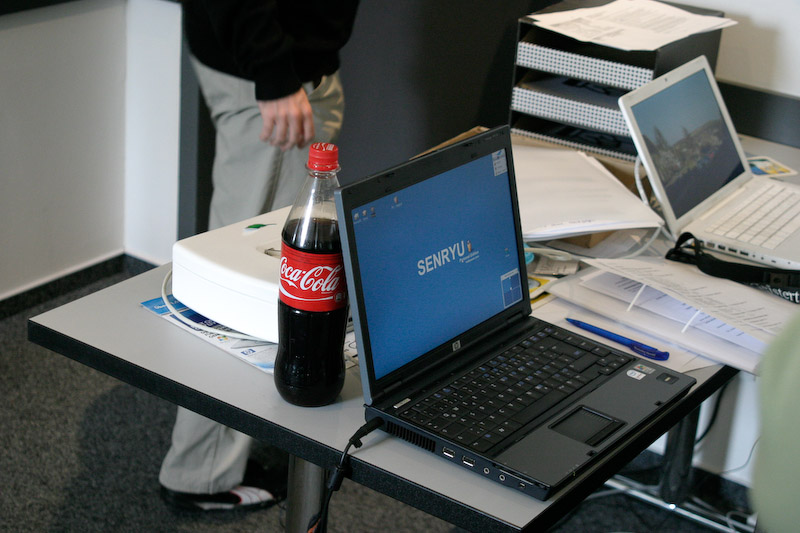 A machine running Hai^H^H^H Senryu. methinks someone didn't think through the distribution guidelines... |
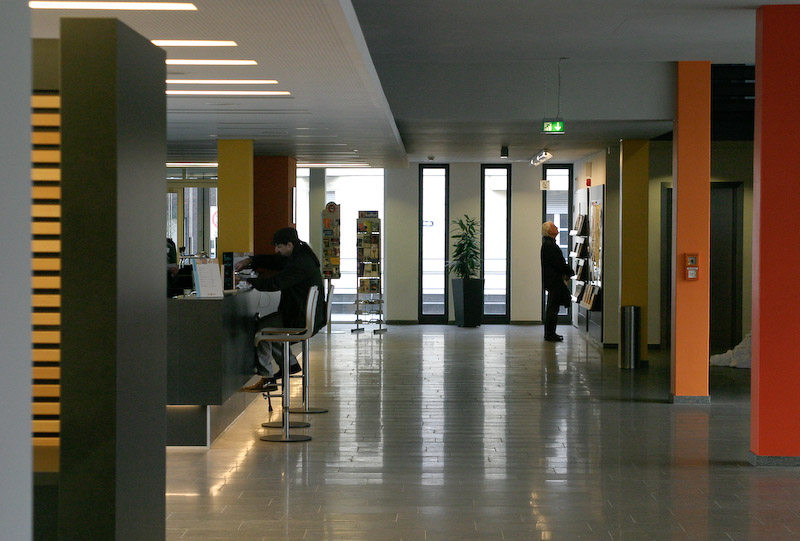 Front of the youth hostel, complete with bar |
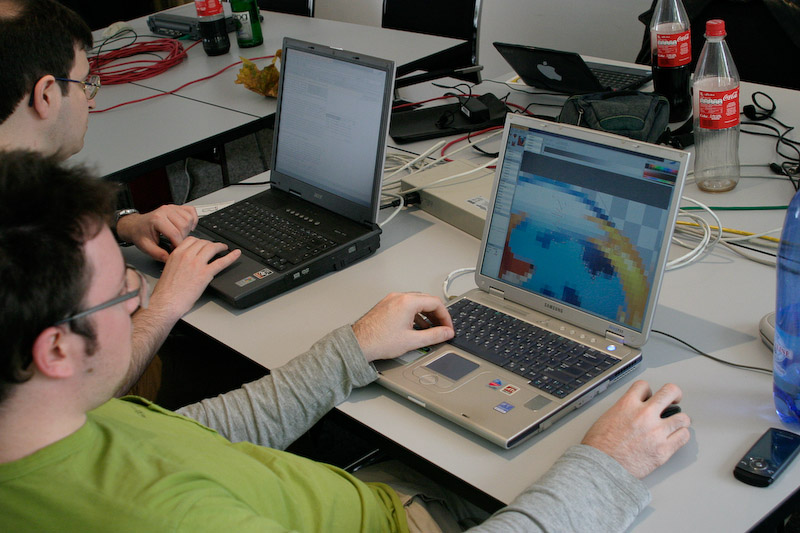 A Firefox icon was worked on |
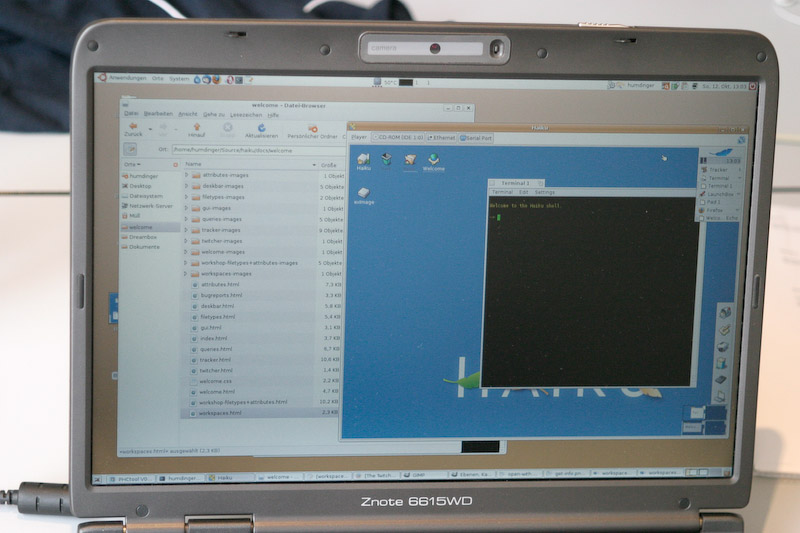 This Haiku is unreal |
 This may not be a funny bit of paper |
 oops! |
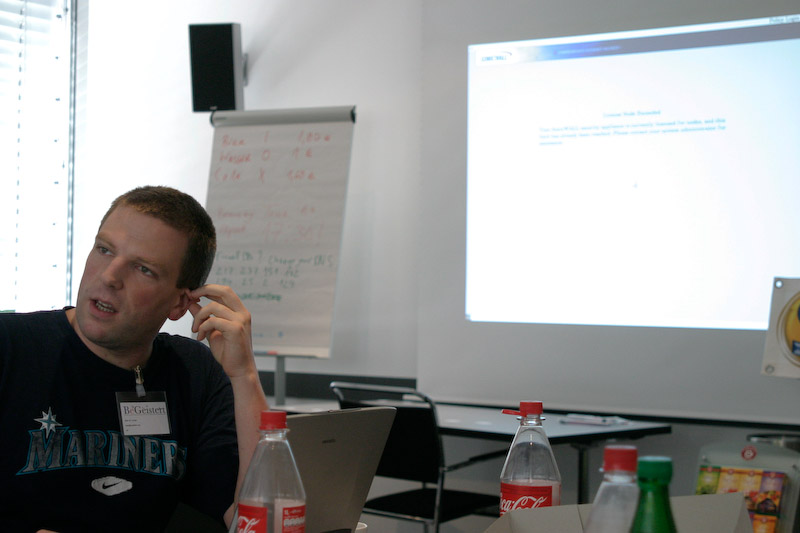 Bas waits to present Syllable |
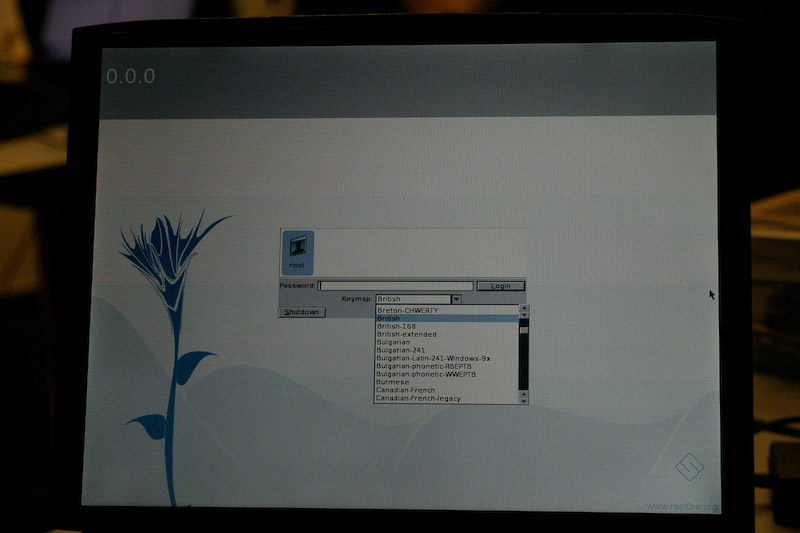 Syllable's multi-lingual login system |
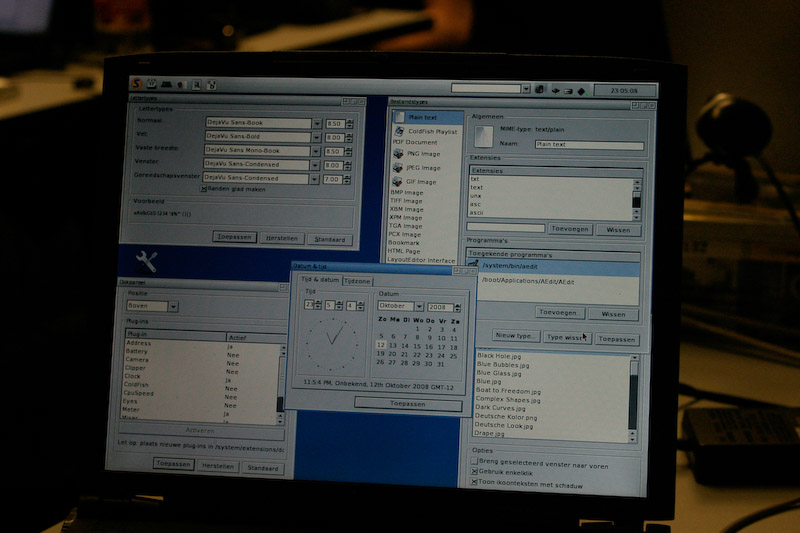 Syllable in action |
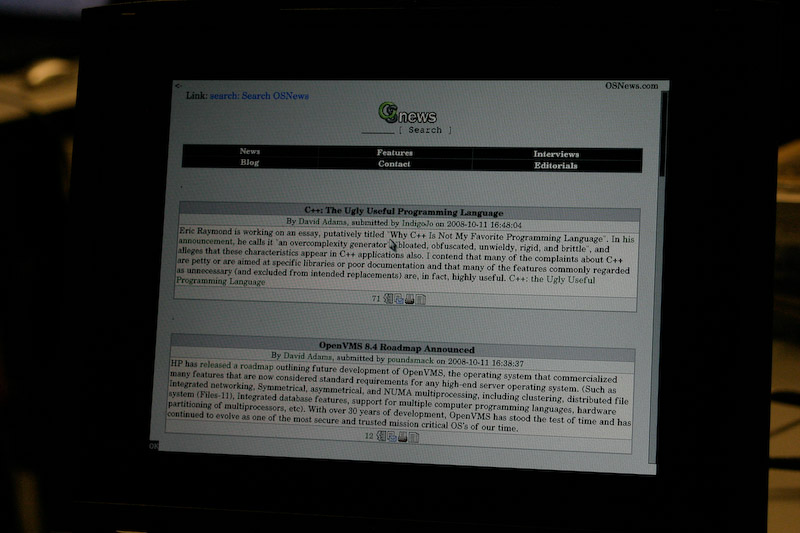 Syllable shows OSNews on the Links browser |
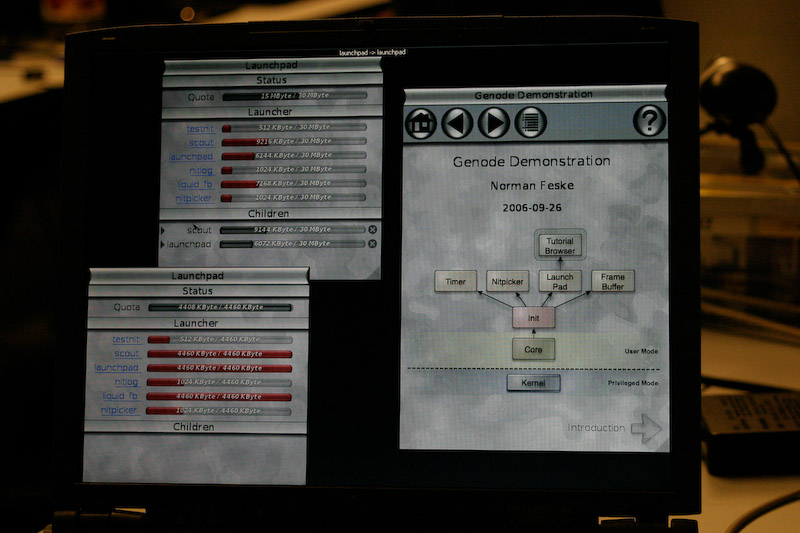 Syllable with the Genode framework |
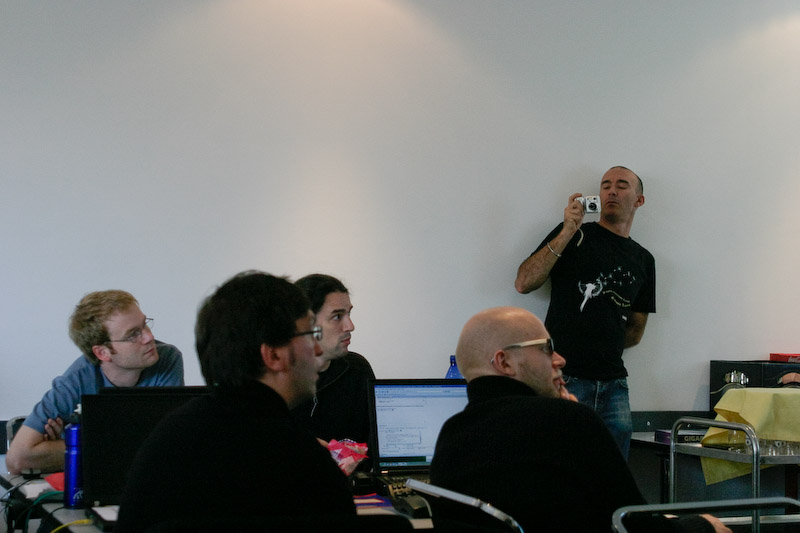 Giuseppe finds the most uncomfortable way to take a picture |
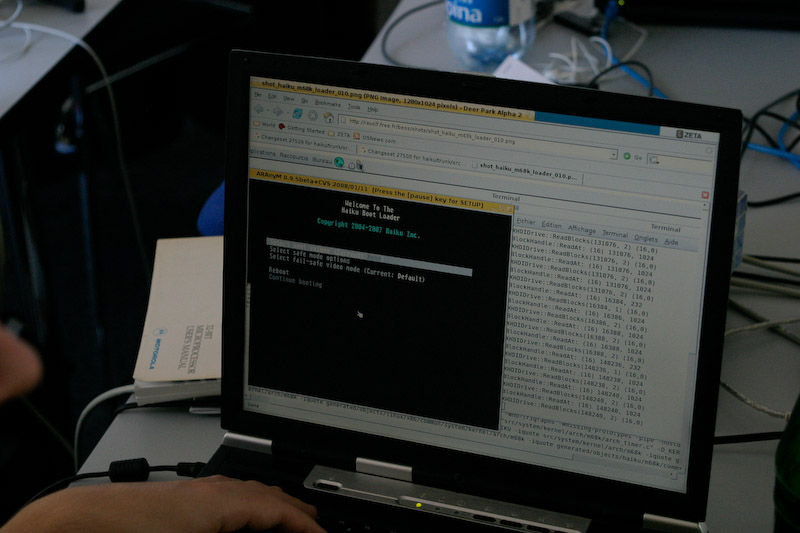 François Revol's infamous 68K port of Haiku |
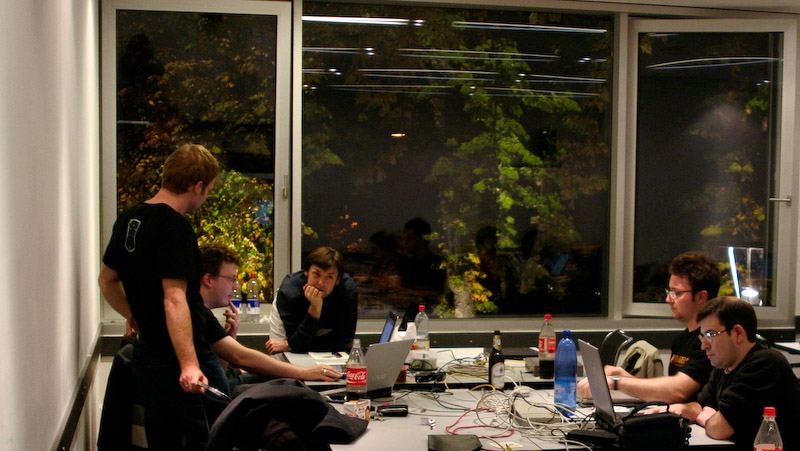 Sometimes we sat around and chatted |
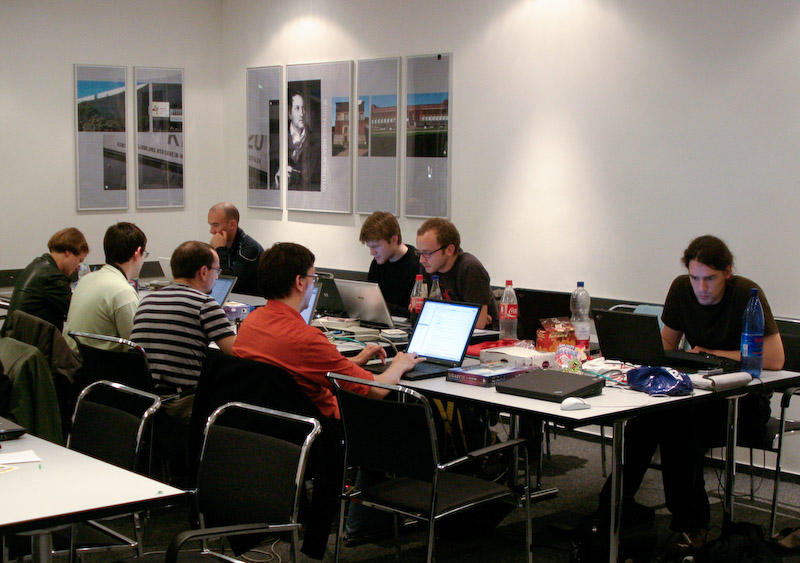 Sometimes we just sat around |
 BeGeistert babies BeGeistert babies |
 BeGeistert babies |
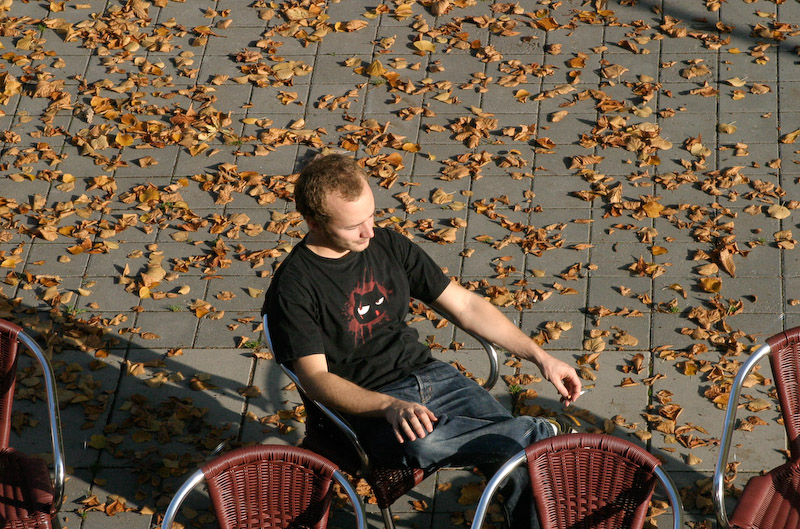 Relaxing outside |
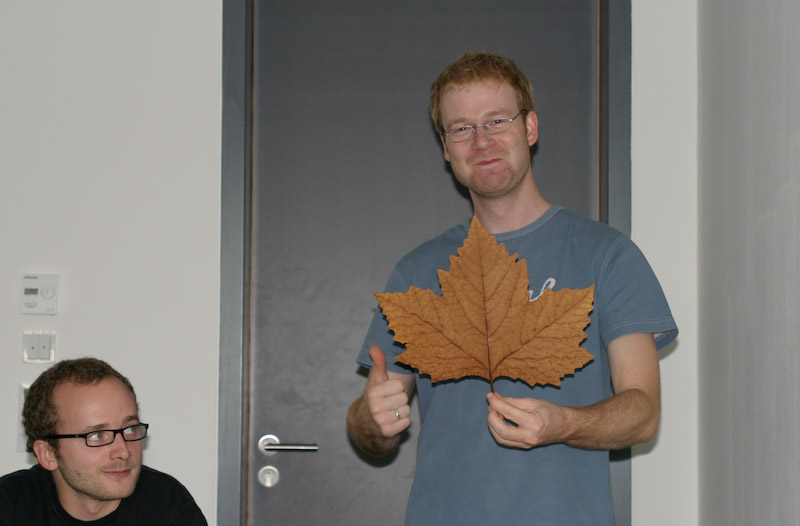 Stephan shows off a Haiku leaf - which trees were kindly producing for us at the time |
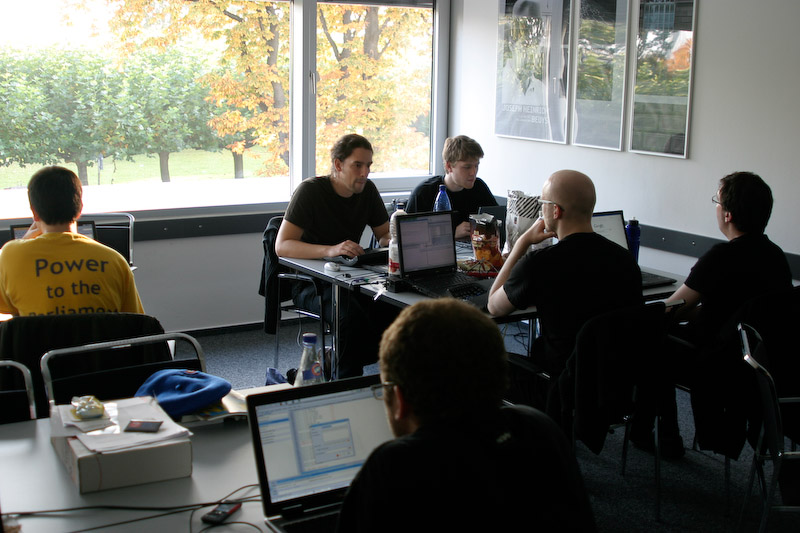 Sunday with the code sprinters Sunday with the code sprinters |
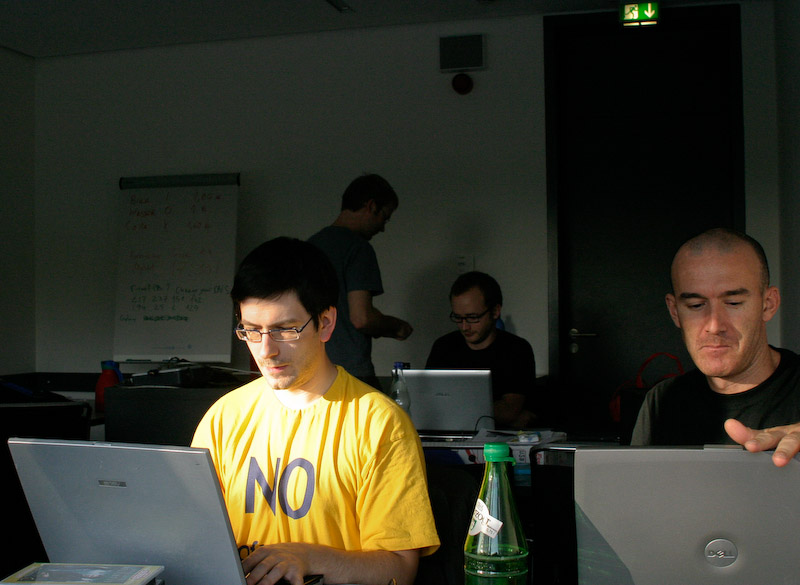 No way |
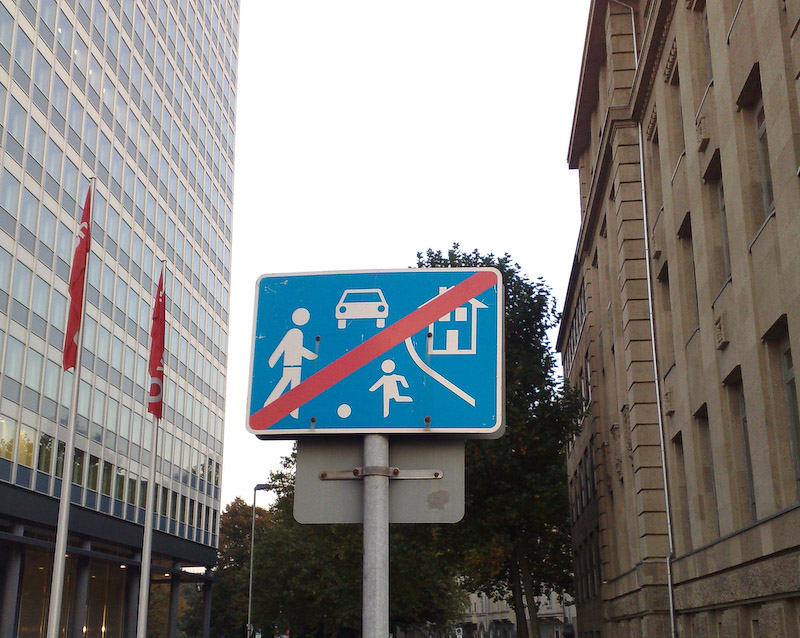 No, er, nothing |
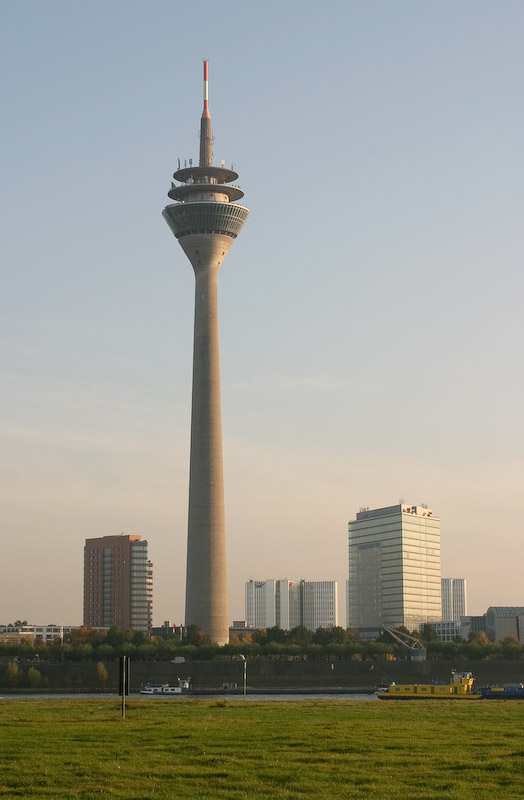 The Dusseldorf tower |
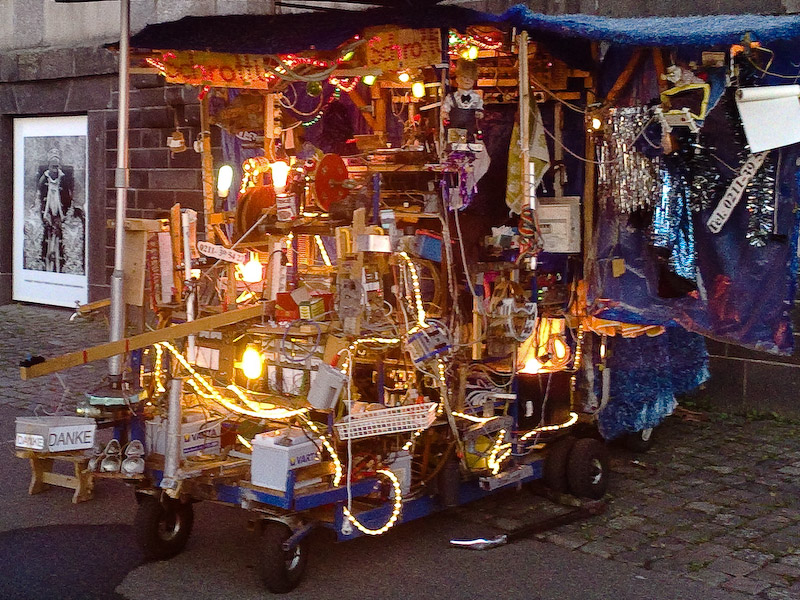 The ultimate electronic portable entertainment system |
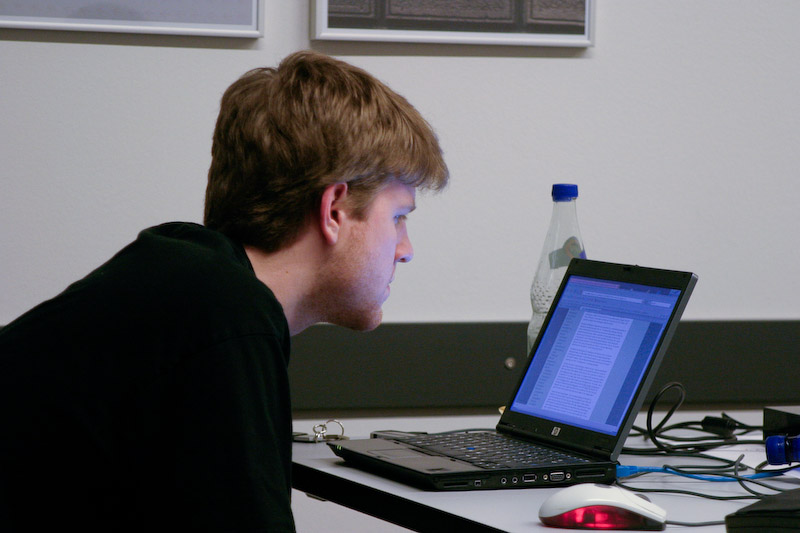 How to get the blues. Michael Lotz |
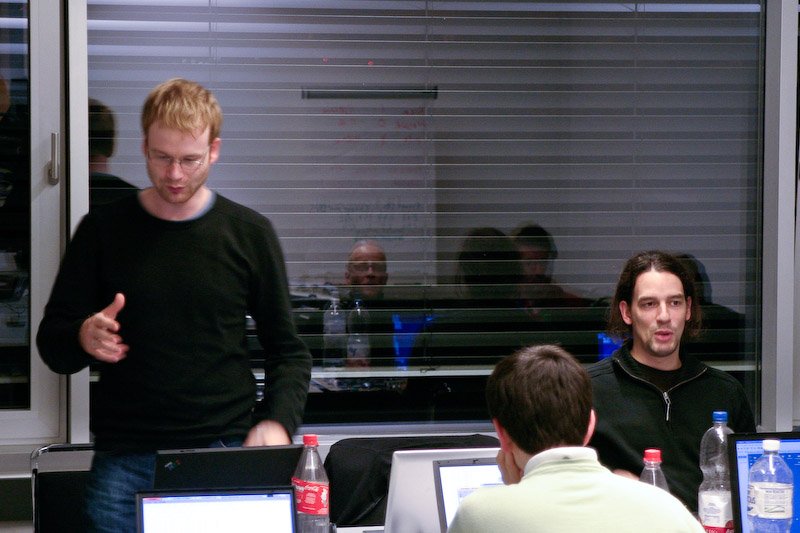 The code sprinters chat |
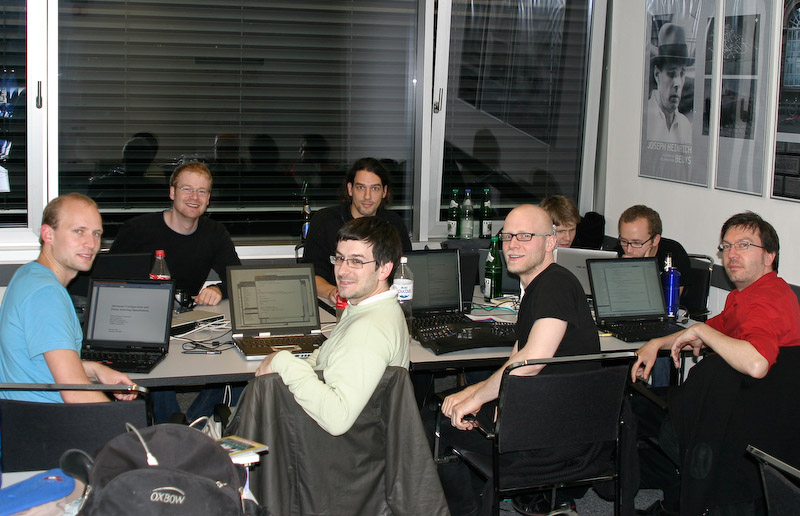 Haiku developers: Clemens Zeidler?, Stephan Aßmus, François Revol, Axel Dorfler(behind), Ingo Weinhold, Michael Lotz, Alexandre Deckner, Oliver Tappe |
Pictures Copyright © N. Blachford 2008
Made available by BeSly, the Haiku, BeOS and Zeta knowledge base.